

Research Group Protein Modification
(Dr. Julia Kriegesmann)
How can protein function be controlled and understood through targeted chemical intervention?
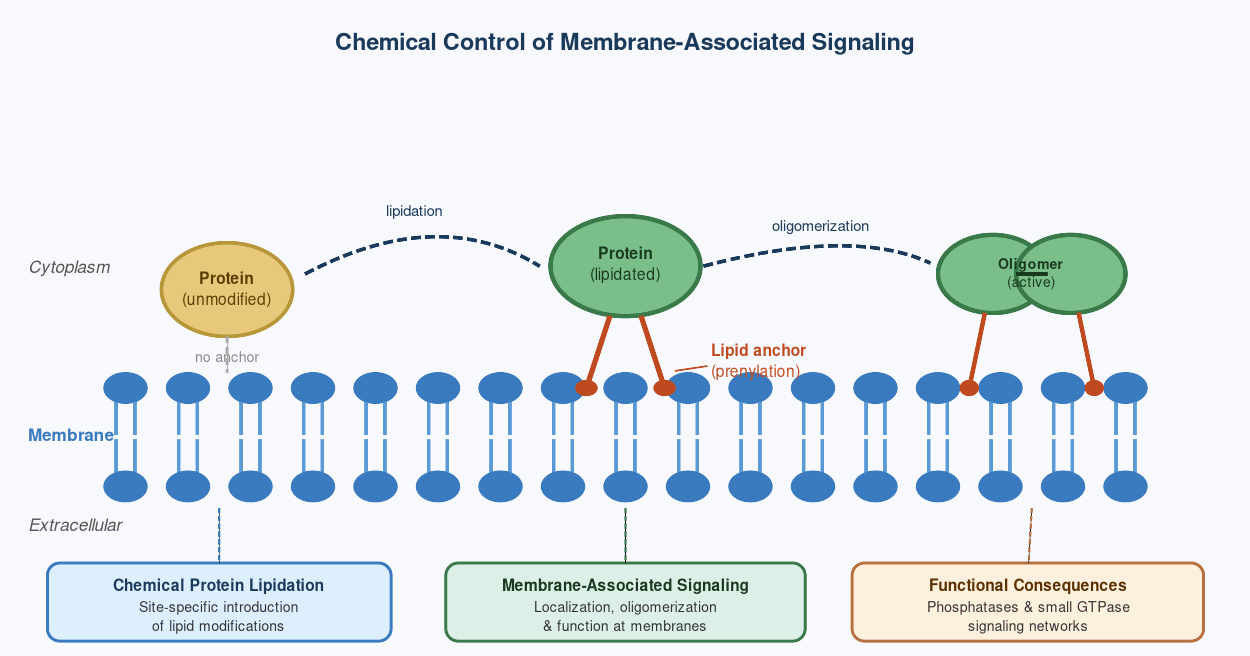
Proteins communicate through a complex network of posttranslational modifications that control their localization, interactions, and activity. Among these modifications, lipidation plays a central role in directing proteins to biological membranes, where many essential signaling processes take place. Despite its importance, the molecular mechanisms by which lipidation regulates protein function remain poorly understood.
Our research combines chemical biology, protein chemistry, and biophysical approaches to investigate how lipid modifications control membrane-associated signaling pathways. We develop novel methods to introduce lipid modifications into proteins with high precision and use these tools to study how lipidation affects protein structure, oligomerization, membrane interactions, and cellular function.
A long-term goal of our work is to uncover general principles by which lipid modifications regulate protein behavior and to establish new strategies for the chemical control of membrane-associated signaling networks.
Principal investigator
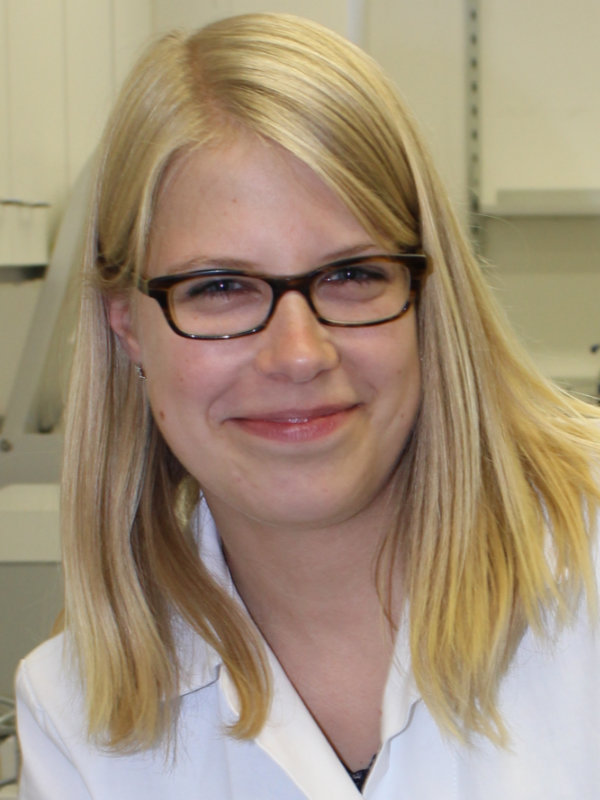
Dr. Julia Kriegesmann
Bachelor students
 Ksenia Rudi
2026
 Felicia Anna Salamone
2026
 Alexa Nitsch
2026
 Merle Husemann
2026
 Alissa Jana Fischer
Synthesis of PRL-binding peptides
2026
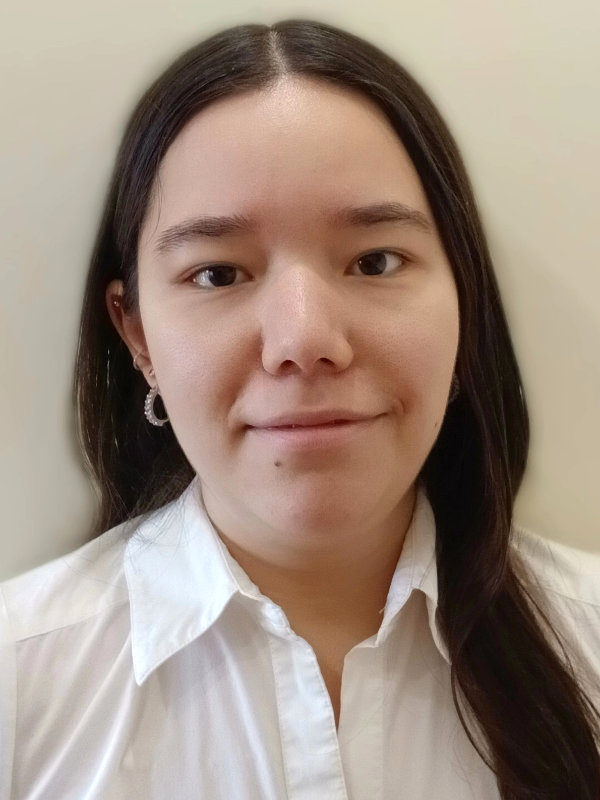 Ana-Rebecca Lauterbach
2026