NOTE
Here are links to Events, Members, Info for Students, our Research Projects and the infamous profile page of Prof. Cali.
Our research group investigates philosophical topics concerning our central theme of Reasoning, Rationality and Science. We’re active in various sub-domains of philosophy and computer science, such as agent-based modeling, argumentation theory, nonmonotonic, deontic and other philosophical logics, philosophy of science, social and formal epistemology, etc. The group is coordinated by Dunja Šešelja and Christian Straßer.
We moved the website recently to a new format. We’re still in the process of moving material.
Latest News
2026-07-20 : Summer School Mathematical Philosophy (LMU) - Dunja’s Course on Social Epistemology of Scientific Disagreements
2026-07-17 : Visitors: Badran Raddaoui and Leander Hirschsteiner
2026-07-10 : New Paper by Luca Redondi on Defeasible Case-Based Reasoning in Ethics in COMMA 2026
2026-07-09 : Visits by Leon Assad, Luca Redondi and Matteo Michelini: Talks, Boardgaming and Pizzas
2026-07-08 : Leon Assad on “What do you mean by likely?”
2026-07-08 : Matteo Michelini on the Emergence and Stabilization of Scientific Pluralities
Current Guests
Here are our current guests. Find our previous guests here and, more importantly, come and visit us! :-)
Nora Hangel (Leibniz Center Hannover)
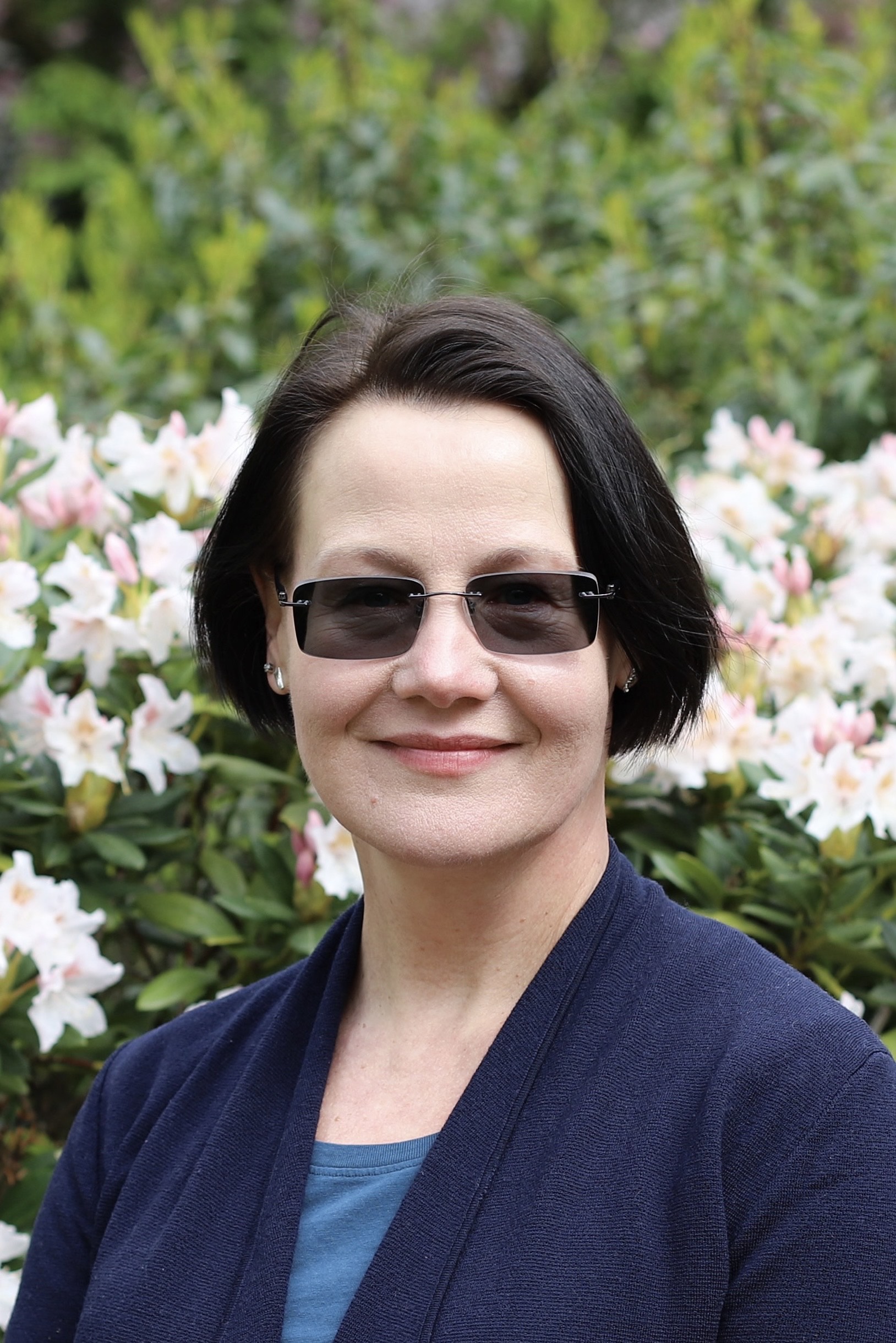
Nora Hangel (Leibniz Center for Science and Society, LCSS) serves as a substitute/visiting professor (2026-27) for Prof. Dr. Dunja Šešelja, Instiute for Philosophy II “Social Epistemology and Reasoning in Science” at Ruhr University Bochum. She is the principal investigator of the DFG project: “The role of scientific judgment in generating knowledge: A qualitative study about interpersonal, collective and collaborative belief and judgment formation in scientific practice” (DFG, 2022-2025) at the Leibniz Research Centre for Science and Society (LCSS) at Leibniz University Hannover. She received her doctorate in philosophy from the University of Vienna with a dissertation on Immanuel Kant and was a visiting scholar at the Center for Philosophy of Science at the University of Pittsburgh (2025). Her articles have appeared in, a.o.: Studies in History and Philosophy of Science, and EJPS. Her ORCID number is: 0000-0001-6809-4603 Learn more about here here.
Maurin Gilles
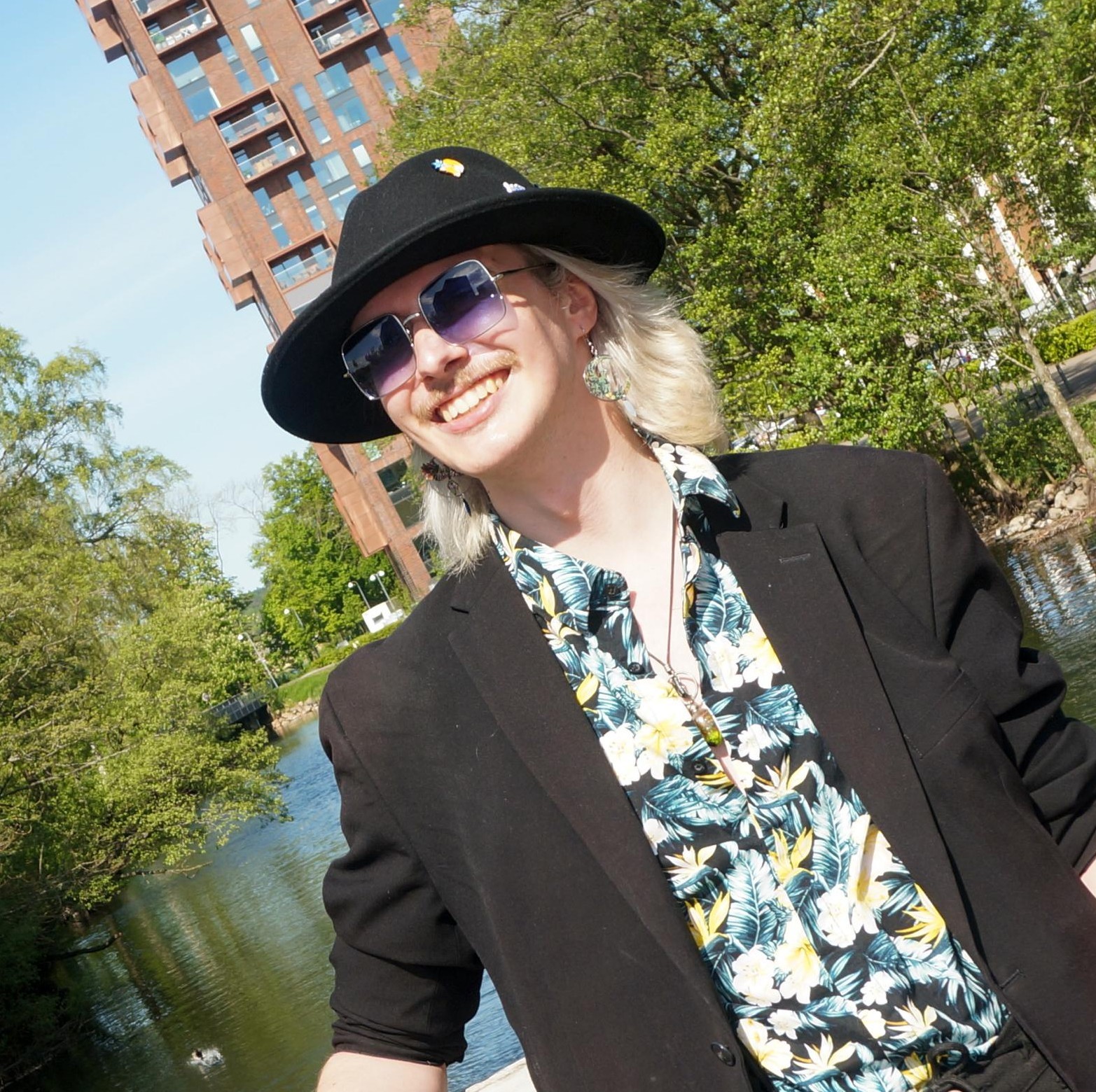
I study computer science in an engineering school in France from which I will graduate in September, after what I will (hopefully) begin a PhD. I am here for a few months for an internship, mostly working together with Tom-Felix. My main scientific interests are complex systems modelling and collective intelligence. I am fond of the Julia Programming language, Linux systems, poststructuralist philosophy, the principle of federalism, and above all: petting Cali :)
Eugenio Petrovic (University of Turin)
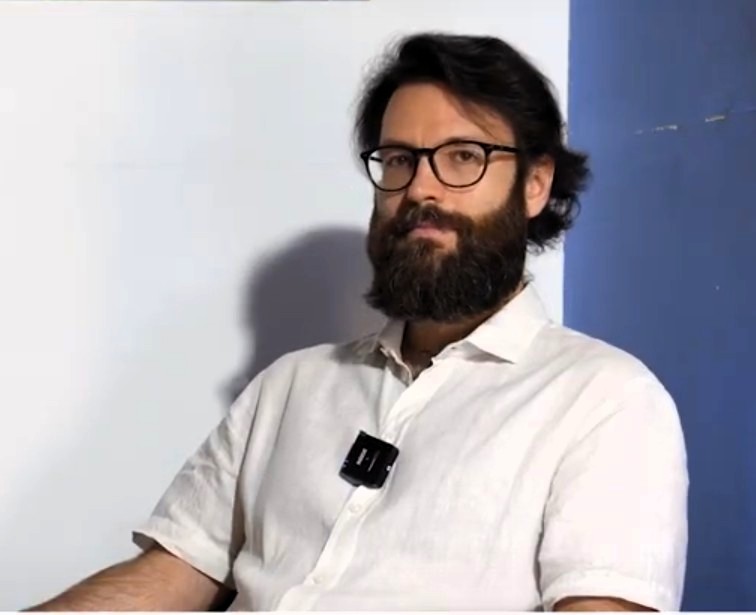
Eugenio Petrovic (University of Turin) is a guest professor during the summer term 2026. Here’s his description from PhilPeople: I am a philosopher of science with a strong interest in quantitative studies of science. Since my PhD, I have worked at the intersection of philosophy of science, scientometrics, and digital humanities, developing a distinctly interdisciplinary approach and gaining familiarity with a variety of research methods, including data science and programming. Throughout my career, I have collaborated with philosophers, historians, economists, statisticians, and computer scientists, maintaining a focus on the broader applications of my research, particularly in science policy. My studies have been published in journals such as Scientometrics, PLOS ONE, Synthese, and Logique et Analyse, among others. Full publication list can be found at https://scholar.google.com/citations?user=U6nN8roAAAAJ&hl=it
Members
Here is our current line-up :-) If you want to see the hall of fame of previous members, it is only a click away.
Issam Aldahman
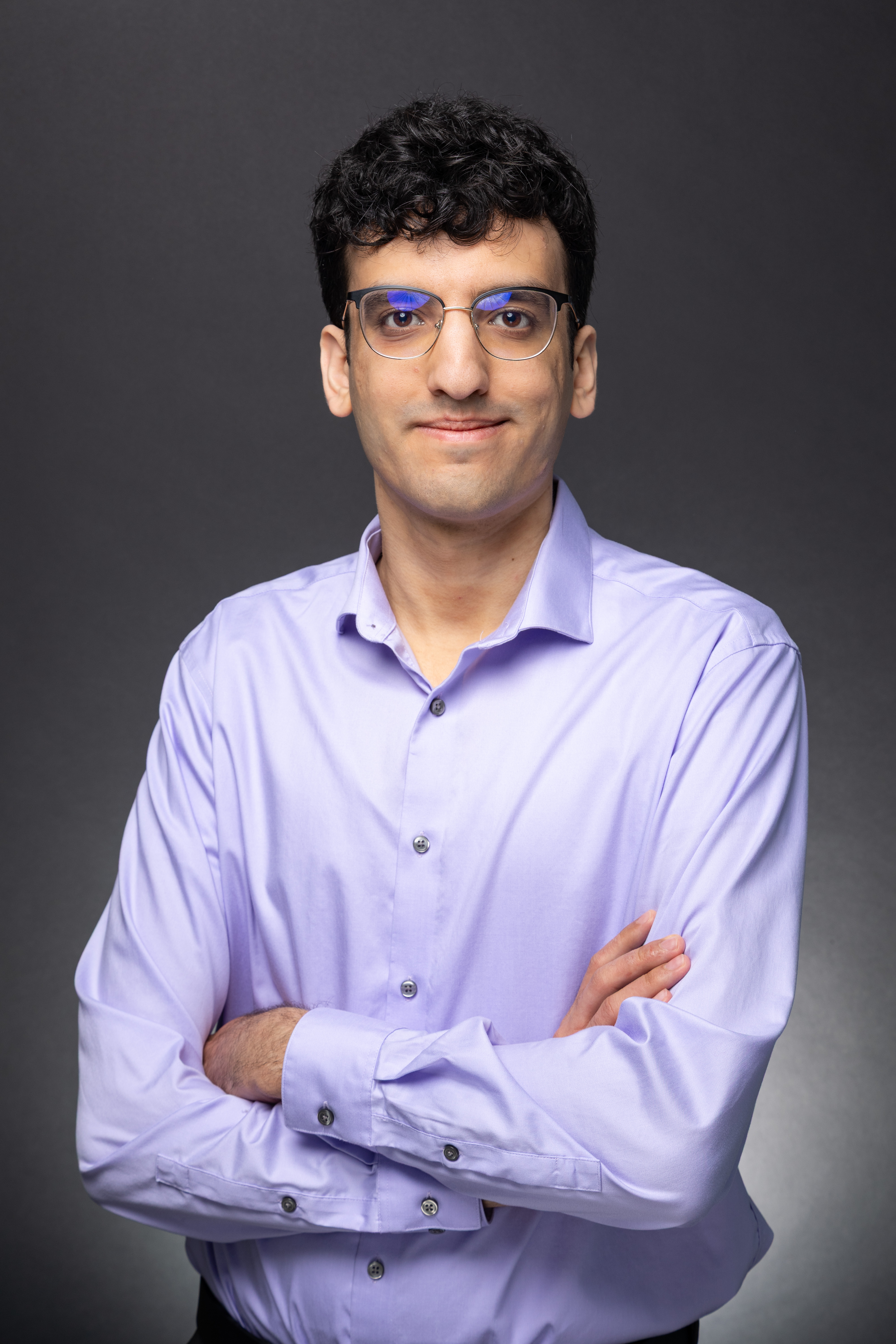
Issam is pursuing a PhD as part of the Qualitative Grading in Science project. His research interests are in computational philosophy of science and social epistemology. He is currently examining how qualitative grading of scientific hypotheses affects group deliberation, judgment aggregation, and collective decision-making using computational methods. Issam is jointly supervised by Dunja Šešelja (RUB) and Thomas Boyer-Kassem (University of Poitiers).
Tom-Felix Berger
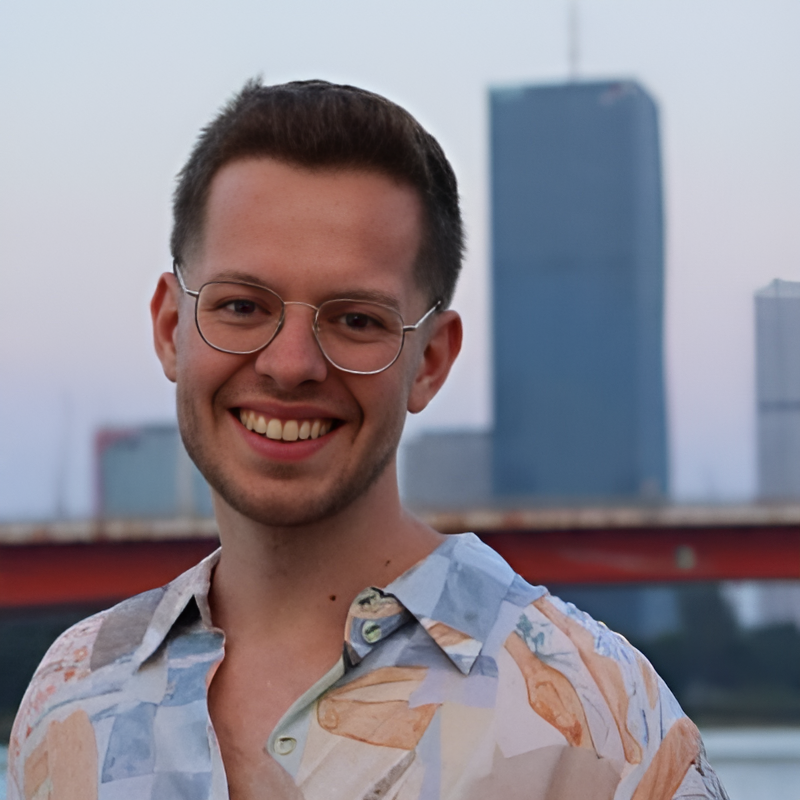
Tom-Felix is a PhD student under the supervision of Albert Newen and Christian Straßer. He has a background in Philosophy, Mathematics and Data Science. His interests are in the philosophy of AI, particularly AI alignment and deception in LLMs. He also works on evolutionary game theoretic models of morality and their use in the debate on evolutionary debunking and moral realism.
Prof. Dr. Dr. Cali

Without doubt Prof. Dr. Cali is the most prominent and cheerful member of the group is the Hoomanologist Cali, specialized for Hooman intelligence and well-known for his books “How to train the hooman. The limitations of the hooman mind.” and “Dogmatic Truths”.While working in our group he also got interested in logic, see his latest book “My barks don’t lie. Semantic paradoxes as a trademark of Hooman language.” Yes, we can learn a lot from him …
Matteo Cerasa

Matteo Cerasa’s work is at the intersection of Bayesian Epistemology and Decision Theory, with a focus on formal models of Awareness Growth (changes in the possibilities space) and Transformative Experiences (learning ‘what it is like’ and changes in fundamental preferences). For this research, he is jointly supervised by Christian in the Reasoning, Rationality, and Science group and by Peter Brössel in the RTG Situated Cognition.
Christiane Dahl
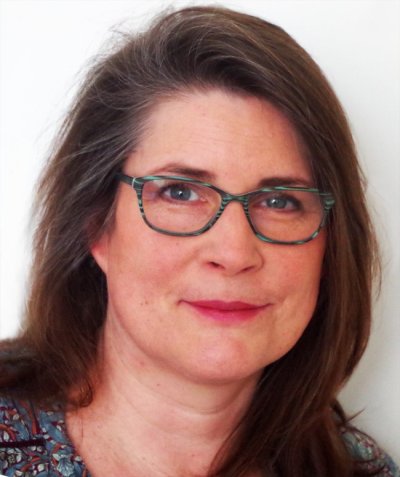
Christiane is the administrative master mind that is running the offices of Markus Werning, Kristina Liefke, Dunja, and Christian. Without her the RRS would be a Ferrari without fuel, an aeroplane without wings, a goldfish in a too tiny ball … you get the idea.
Leander Hirschsteiner
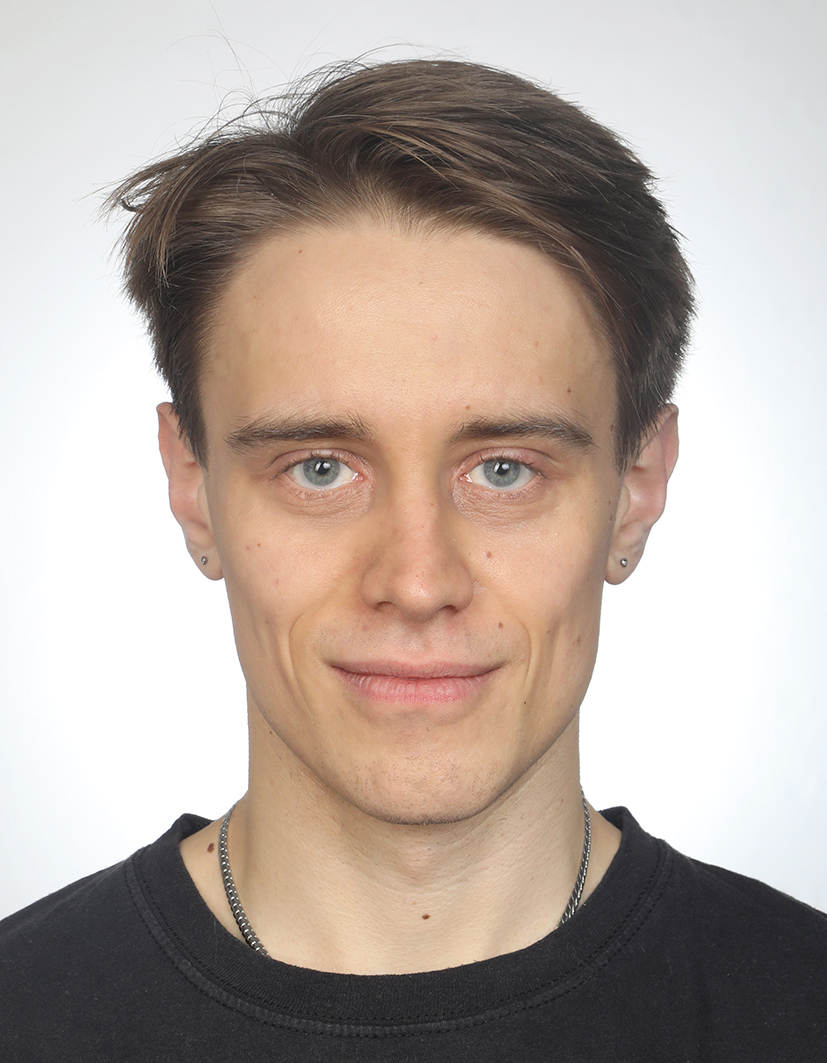
Leander Hirschsteiner investigates what makes a good explanation. For him, explaining happens in argumentation and dialogue and good explanations cater for the specific gaps in understanding of one’s partner. In his research, he develops models of these pratices so that humans and machines explain and understand one another (and themselves) more easily. Christian’s and Kees van Berkel’s supervision, as well as his background in the application of logical methods for formal modeling, defeasible reasoning, and social sciences, help him in this work.
Martin Justin
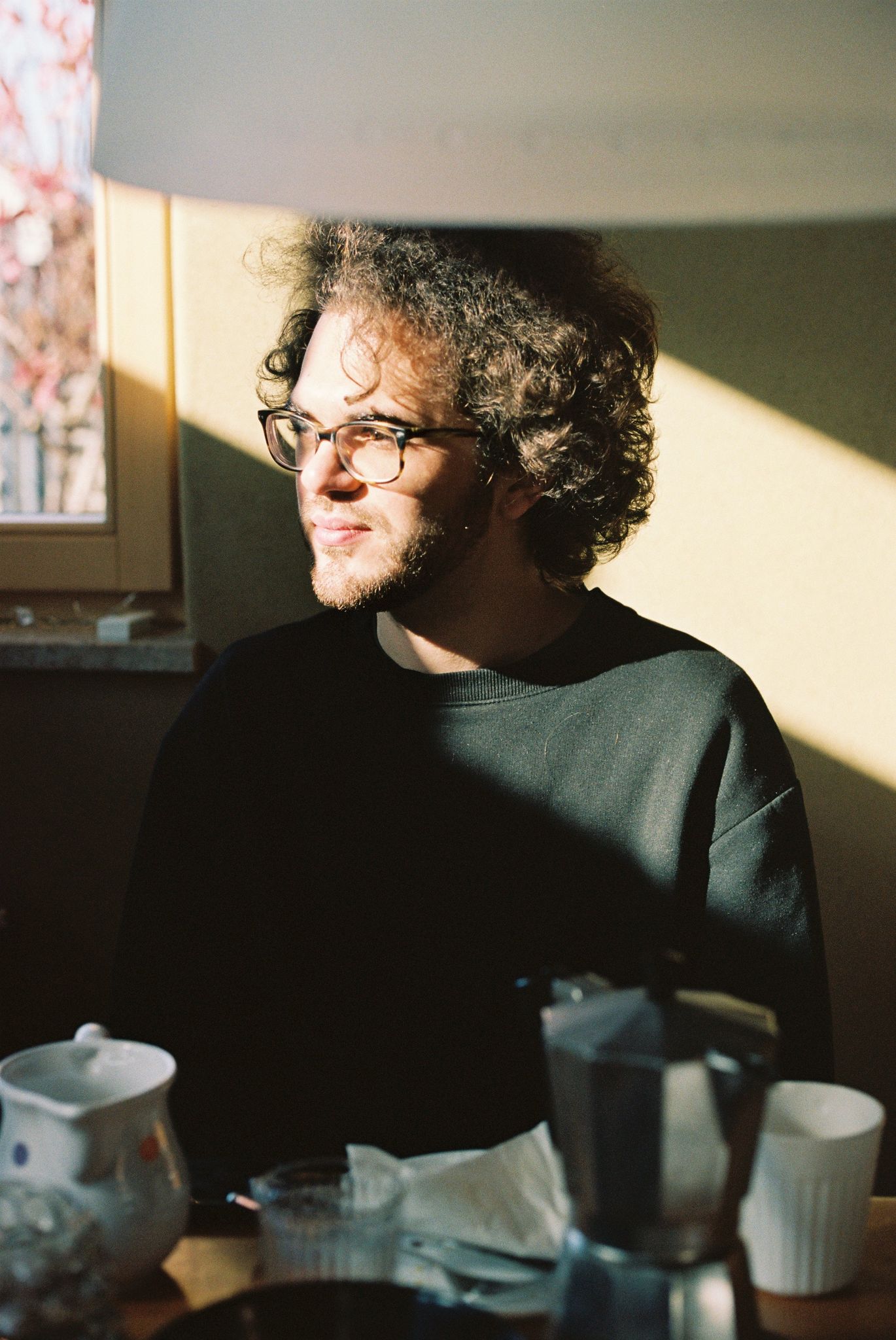
Martin Justin is a PhD student at the University of Maribor, Slovenia. His research interests are in philosophy of science and epistemology. Currently, he is working on higher-order evidence and using computer simulations to study science. His PhD thesis is jointly supervised by Dunja Šešelja and Borut Trpin (Ljubljana/Maribor). Additionally, he acts as an editorial assistant at the journal Acta Analytica (Springer).
Jessica Krumhus
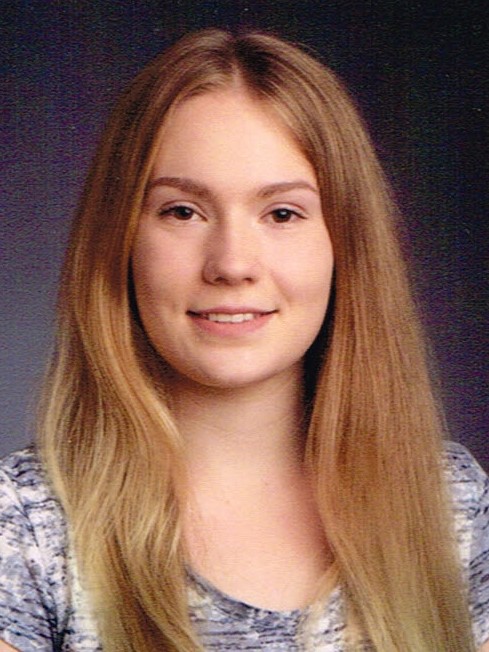
Jessica is a Master student in Philosophy and Biology. She has a special interest in logic. After tutoring for the Logic introductory lecture, she started as a student research assistant for Dunja and Christian. She wrote her Bachelor thesis on a logic for the Suspension of Judgment based on nondeterministic matrices.
Luca Redondi
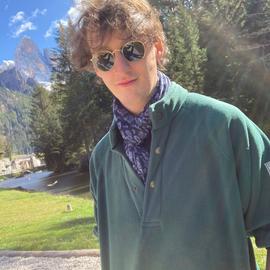
Luca Redondi has a background in ethics with a focus on Kant and is especially interested in deontic logic. He works on applications of deontic logic and explanation in bioethics within the LoDEx project on Logical Methods for Deontic Explanation. Luca is supervised by Christian Straßer and Leon Van der Torre (Luxembourg).
Sam Sanders
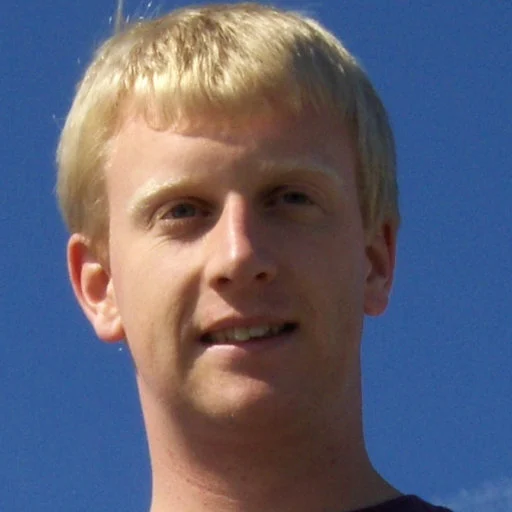
Together with Dag Normann, Sam studies the logical and computational properties of the uncountable. Their study of basic mathematical facts pertaining to the Riemann integral or the uncountability of the reals has unveiled a vast new world, often completely different from the state-of-the-art in the countable world, i.e. Reverse Mathematics and Turing computability theory.
Dunja Šešelja
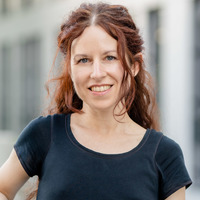
Dunja is a full professor working in social epistemology and philosophy of science at the Institute II for Philosophy at Ruhr University Bochum. Her research topics include formal modeling of scientific inquiry (with focus on agent-based modeling), scientific disagreements and controversies, pursuit-worthiness of scientific theories, and integrated history and philosophy of science. Previously, she served as an editor in chief of the European Journal for Philosophy of Science, and a Steering Committee member of the European Philosophy of Science Association (EPSA). Her current research projects include: Qualitative Grading in Science, the DAAD Guest Professorship Philosophy of Science, and the Riksbankens Jubileumsfond project “Modelling as a Method in Philosophy” (with center at the University of Stockholm). Find more information about her papers on her academia page.
Christian Straßer
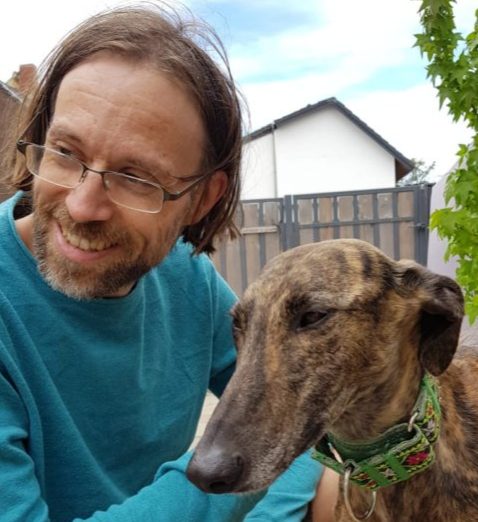
Christian Straßer is a full professor of Logic in Philosophy and Artificial Intelligence at the Institute for Philosophy II at Ruhr University Bochum. He is specialized in non-monotonic logics, defeasible reasoning, argumentation, deontic and adaptive logics. He is interested in utilizing formal methods (such as logical or computational methods) in philosophy. Beyond logic his research interests spread into the philosophy of science and social epistemology. You find more information on him and his CV (and a pdf here).
Soong Yoo
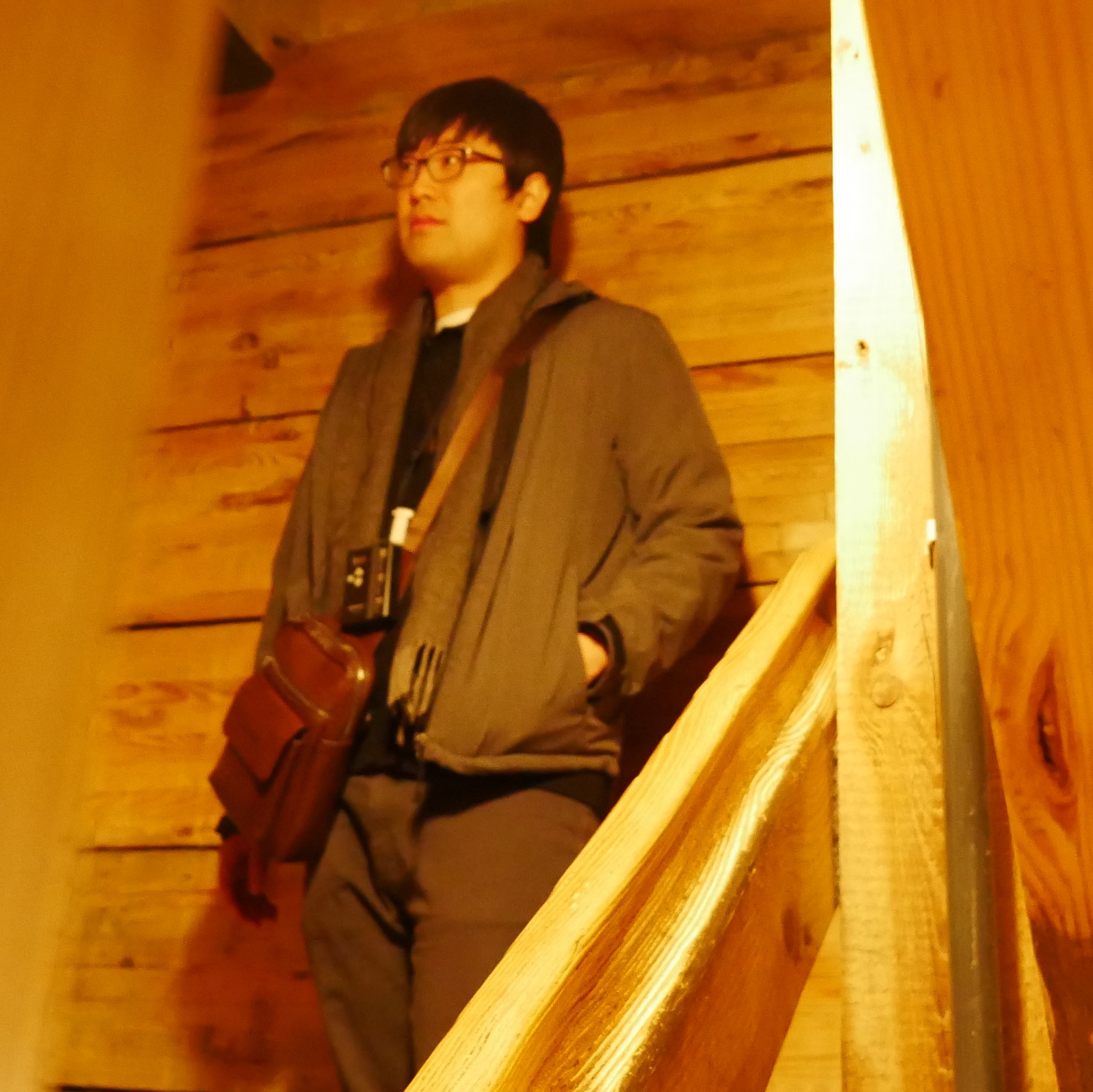
Should epistemic workers of the world unite? There are some thoughts or decision we would make only when hanging around with friends, colleagues, and strangers. Same for people doing cognitive tasks for their living. Soong Yoo is working with agent-based-models in hope to see how computer simulations would predict and suggest a better conveyor belt of knowledge production. Soong is jointly supervised by Dunja and Christian.
Events
- Dunja gives a tutorial on Social Epistemology of Scientific Disagreements at the LMU Summer School on Mathematical Philosophy.
For past events see Events.