Current Members
Issam Aldahman
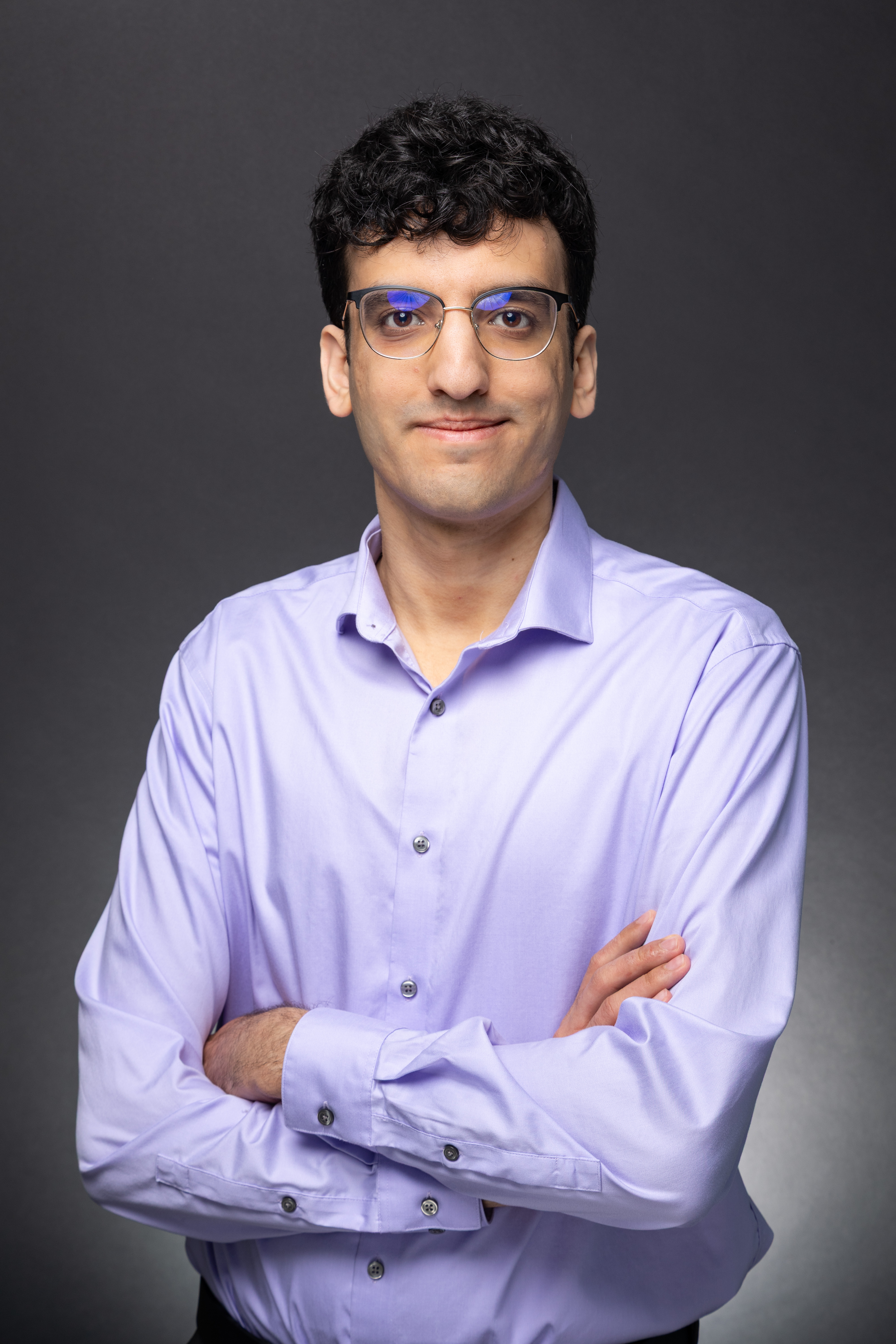
Issam is pursuing a PhD as part of the Qualitative Grading in Science project. His research interests are in computational philosophy of science and social epistemology. He is currently examining how qualitative grading of scientific hypotheses affects group deliberation, judgment aggregation, and collective decision-making using computational methods. Issam is jointly supervised by Dunja Šešelja (RUB) and Thomas Boyer-Kassem (University of Poitiers).
Tom-Felix Berger
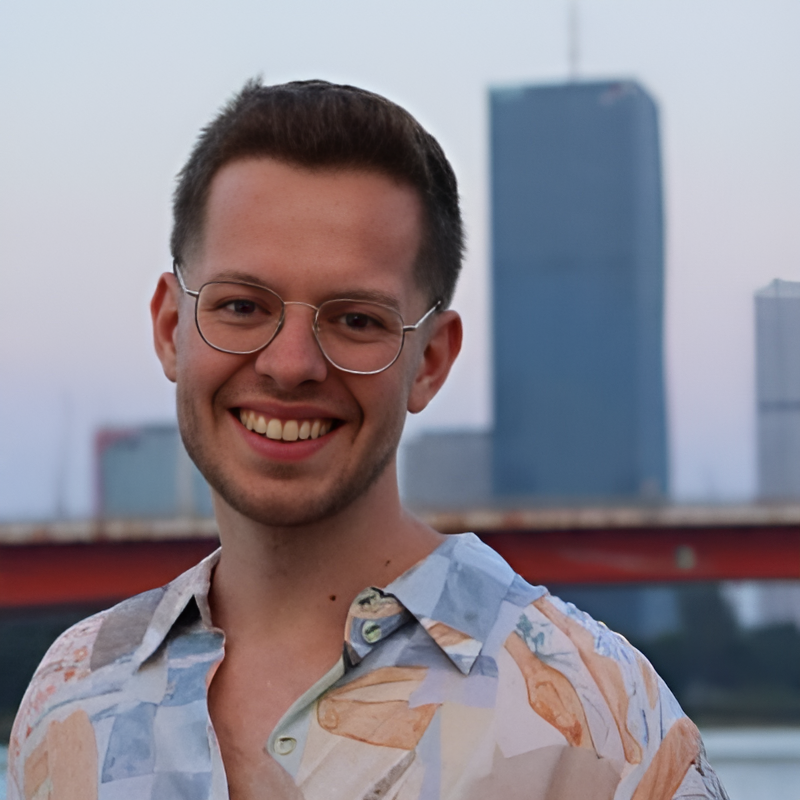
Tom-Felix is a PhD student under the supervision of Albert Newen and Christian Straßer. He has a background Philosophy, Mathematics and Data Science. His interests are in the philosophy of AI, particularly AI alignment and deception in LLMs. He also works on evolutionary game theoretic models of morality and their use in the debate on evolutionary debunking and moral realism.
Prof. Dr. Dr. Cali

Without doubt Prof. Dr. Cali is the most prominent and cheerful member of the group is the Hoomanologist Cali, specialized for Hooman intelligence and well-known for his books “How to train the hooman. The limitations of the hooman mind.” and “Dogmatic Truths”.While working in our group he also got interested in logic, see his latest book “My barks don’t lie. Semantic paradoxes as a trademark of Hooman language.” Yes, we can learn a lot from him …
Matteo Cerasa

Matteo Cerasa’s work is at the intersection of Bayesian Epistemology and Decision Theory, with a focus on formal models of Awareness Growth (changes in the possibilities space) and Transformative Experiences (learning ‘what it is like’ and changes in fundamental preferences). For this research, he is jointly supervised by Christian in the Reasoning, Rationality, and Science group and by Peter Brössel in the RTG Situated Cognition.
Christiane Dahl
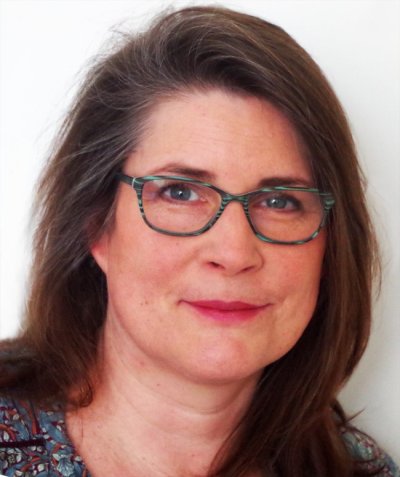
Christiane is the administrative master mind that is running the offices of Markus Werning, Kristina Liefke, Dunja, and Christian. Without her the RRS would be a Ferrari without fuel, an aeroplane without wings, a goldfish in a too tiny ball … you get the idea.
Leander Hirschsteiner
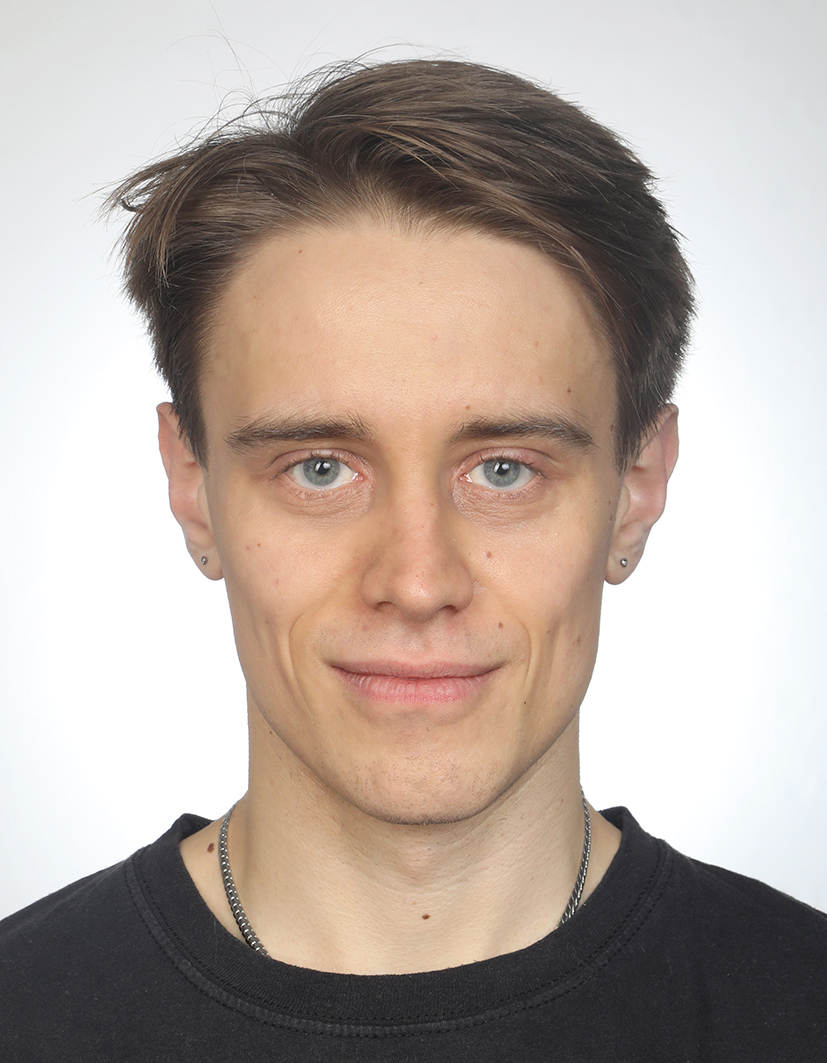
Leander Hirschsteiner is investigates what makes a good explanation. For him, explaining happens in argumentation and dialogue and good explanations cater for the specific gaps in understanding of one’s partner. In his research, he develops models of these pratices so that humans and machines explain and understand one another (and themselves) more easily. Christian’s and Kees van Berkel’s supervision, as well as his background in the application of logical methods for formal modeling, defeasible reasoning, and social sciences, help him in this work.
Martin Justin
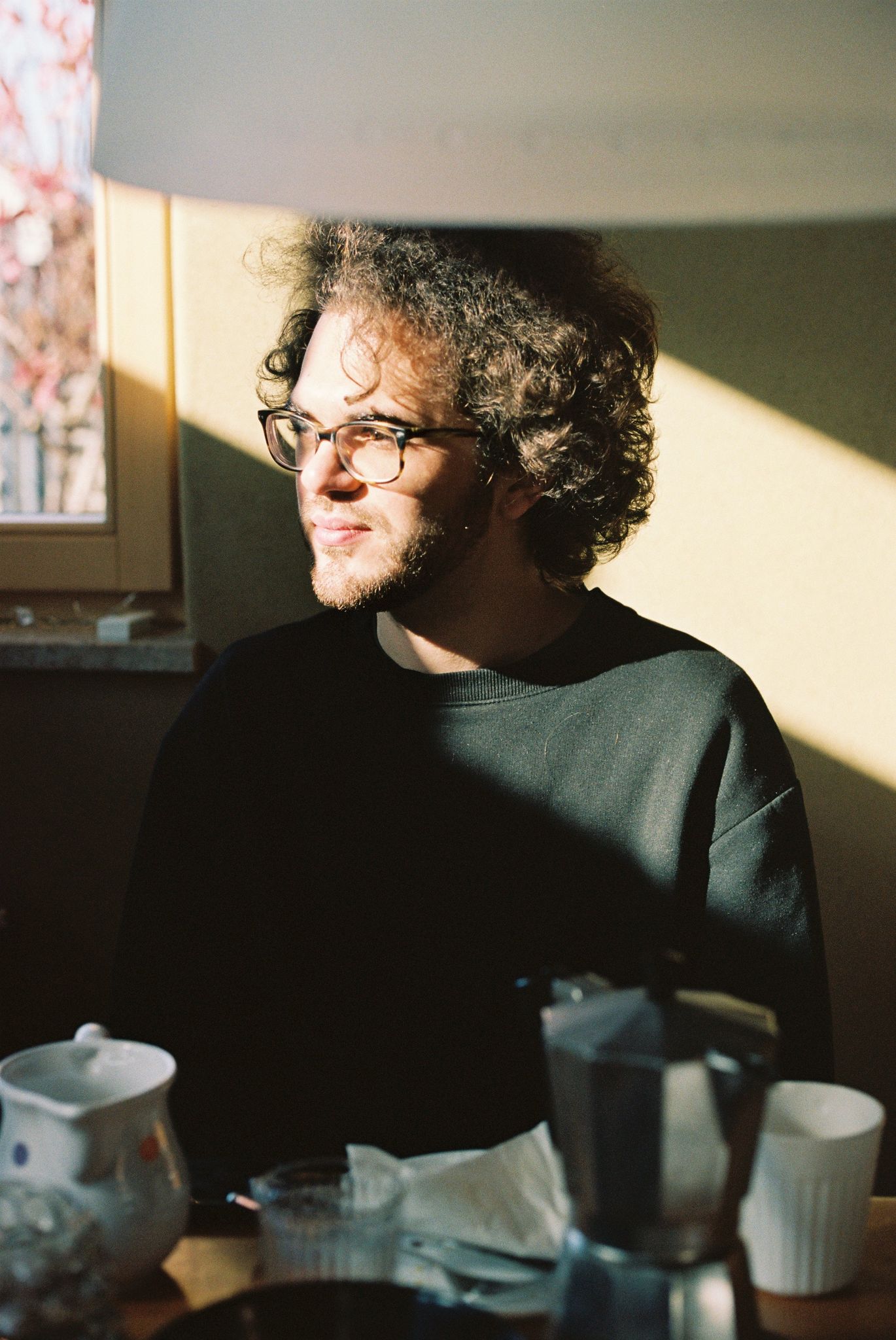
Martin Justin a PhD student at the University of Maribor, Slovenia. His research interests are in philosophy of science and epistemology. Currently, he is working on higher-order evidence and using computer simulations to study science. His PhD thesis is jointly supervised by Dunja Šešelja and Borut Trpin (Ljubljana/Maribor). Additionally, he acts as an editorial assistant at the journal Acta Analytica (Springer).
Jessica Krumhus

Jessica is a Master student in Philosophy and Biology. She has a special interest in logic and metaphysics. After tutoring for the Logic introductory lecture, she started as a student research assistant for Dunja and Christian. She wrote her Bachelor thesis on a logic for the Suspension of Judgment based on nondeterministic matrices.
Luca Redondi
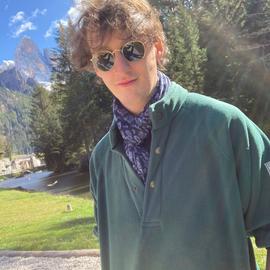
Luca Redondi has a background in ethics with a focus on Kant and is especially interested in deontic logic. He works on applications of deontic logic and explanation in bioethics within the LoDEx project on Logical Methods for Deontic Explanation. Luca is supervised by Christian Straßer and Leon Van der Torre (Luxembourg).
Sam Sanders
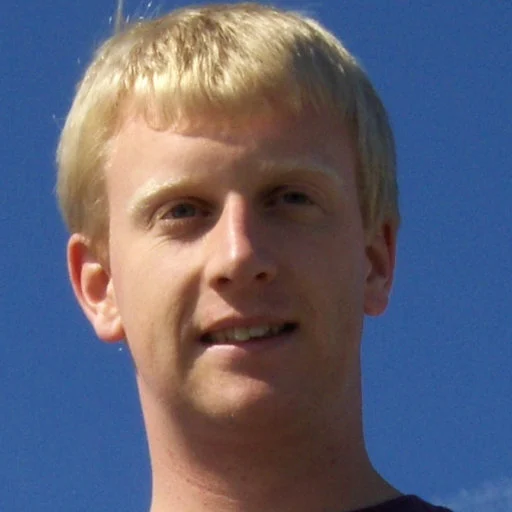
Together with Dag Normann, Sam studies the logical and computational properties of the uncountable. Their study of basic mathematical facts pertaining to the Riemann integral or the uncountability of the reals has unveiled a vast new world, often completely different from the state-of-the-art in the countable world, i.e. Reverse Mathematics and Turing computability theory.
Dunja Šešelja
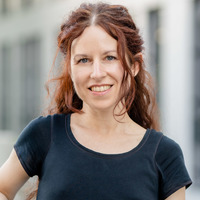
Dunja is a full professor working in social epistemology and philosophy of science at the Institute II for Philosophy at Ruhr University Bochum. She serves as a co-editor in chief of the European Journal for Philosophy of Science. Her research topics include formal modeling of scientific inquiry (with focus on agent-based modeling), scientific disagreements and controversies, pursuit-worthiness of scientific theories, and integrated history and philosophy of science. Find more information on her academia page.
Christian Straßer
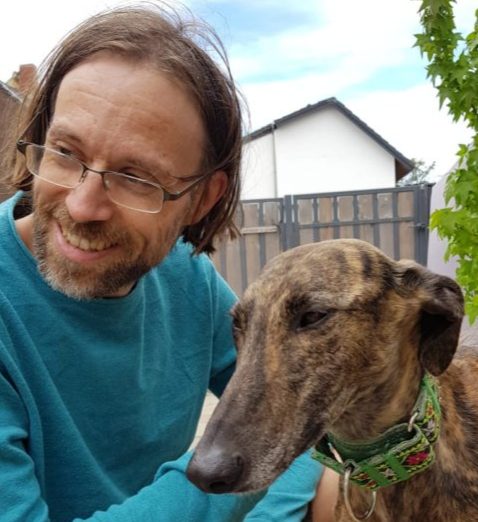
Christian Straßer is a full professor of Logic in Philosophy and Artificial Intelligence at the Institute for Philosophy II at Ruhr University Bochum. He is specialized in non-monotonic logics, defeasible reasoning, argumentation, deontic and adaptive logics. He is interested in utilizing formal methods (such as logical or computational methods) in philosophy. Beyond logic his research interests spread into the philosophy of science and social epistemology. You find more information on him here and his CV here (and a pdf here).
Soong Yoo

Should epistemic workers of the world unite? There are some thoughts or decision we would make only when hanging around with friends, colleagues, and strangers. Same for people doing cognitive tasks for their living. Soong Yoo is working with agent-based-models in hope to see how computer simulations would predict and suggest a better conveyor belt of knowledge production. Soong is jointly supervised by Dunja and Christian.
Previous Members aka Hall of Fame
Jesse Heyninck
AnneMarie Borg
Pere Pardo
Mathieu Beirlaen
Kees van Berkel (now: TU Vienna)
Kees has been a PostDoc in the Reasoning, Rationality & Science group. You find his webpage here. At the RRS has has been working on logical methods for normative reasoning. This includes methods from modal logic, nonmotonic logic, proof theory, and formal argumentation. He is working together with Christian on formal explanation of reasoning with normative systems. Kees is furthermore interested in the metaethical principle of `ought implies can’ (both from a philosophical and logical point of view), and the philosophy of practical reasoning.
We have a long ongoing research collaboration on logical argumentation and its use in deontic reasoning. We developed the DAC system for this, based on sequent-based argumentation and an explicit representation of norms (resp. defaults) in the object language. Here are our papers so far.
- Kees van Berkel and Christian Straßer,
Reasoning With and About Normative Conflicts,
forthcoming in the Proceedings of DEON 2025 - Zheng Zhou, Christian Straßer and Kees Van Berkel,
Hypothesis-Driven Disjunctive Reasoning in Logical Argumentation,
Forthcoming in the Proceedings of LORI 2025 - Kees van Berkel and Christian Straßer
A Tutorial in Proof-Theoretic Approaches to Logical Argumentation
forthcoming in Proceedings of the Reasoning Web Summer School 2023 (Springer Lecture Notes in Computer Science) - Kees van Berkel and Christian Straßer
Towards Deontic Explanations Through Dialogue
Proceedings of Argumentation for eXplainable AI 2024 (ArgXAI) - Ofer Arieli, Kees van Berkel, Badran Raddaoui and Christian Straßer,
Deontic Reasoning based on Inconsistency Measures,
Forthcoming in Proceedings of KR’2024. - Kees van Berkel, Christian Straßer, and Zheng Zhou,
Towards an Argumentative Unification of Default Reasoning,
Frontiers in Artificial Intelligence and Applications (COMMA), Vol. 388, 313-324 - Ofer Arieli, Kees van Berkel, Christian Straßer,
Defeasible Normative Reasoning: A Proof-Theoretic Integration of Logical Argumentation,
Forthcoming, AAAI 2024. - Kees van Berkel, Reka Markovich, Christian Straßer, Leon van der Torre,
Arguing About Choosing a Normative System: Conflict of Laws,
Legal Knowledge and Information Systems (JURIX 2023), p. 73—82, 2023 - Kees van Berkel and Christian Straßer,
Reasoning with and About Norms in Logical Argumentation,
Proceedings of COMMA 2022. - Ofer Arieli, Kees van Berkel and Christian Straßer,
Annotated Sequent Calculi for Paraconsistent Reasoning and Their Relations to Logical Argumentation,
Proceedings of IJCAI 2022 (acceptance rate, 15%)
Matthis Hesse
Sanderson Molick
Simon Vonlanthen
Matteo Michelini
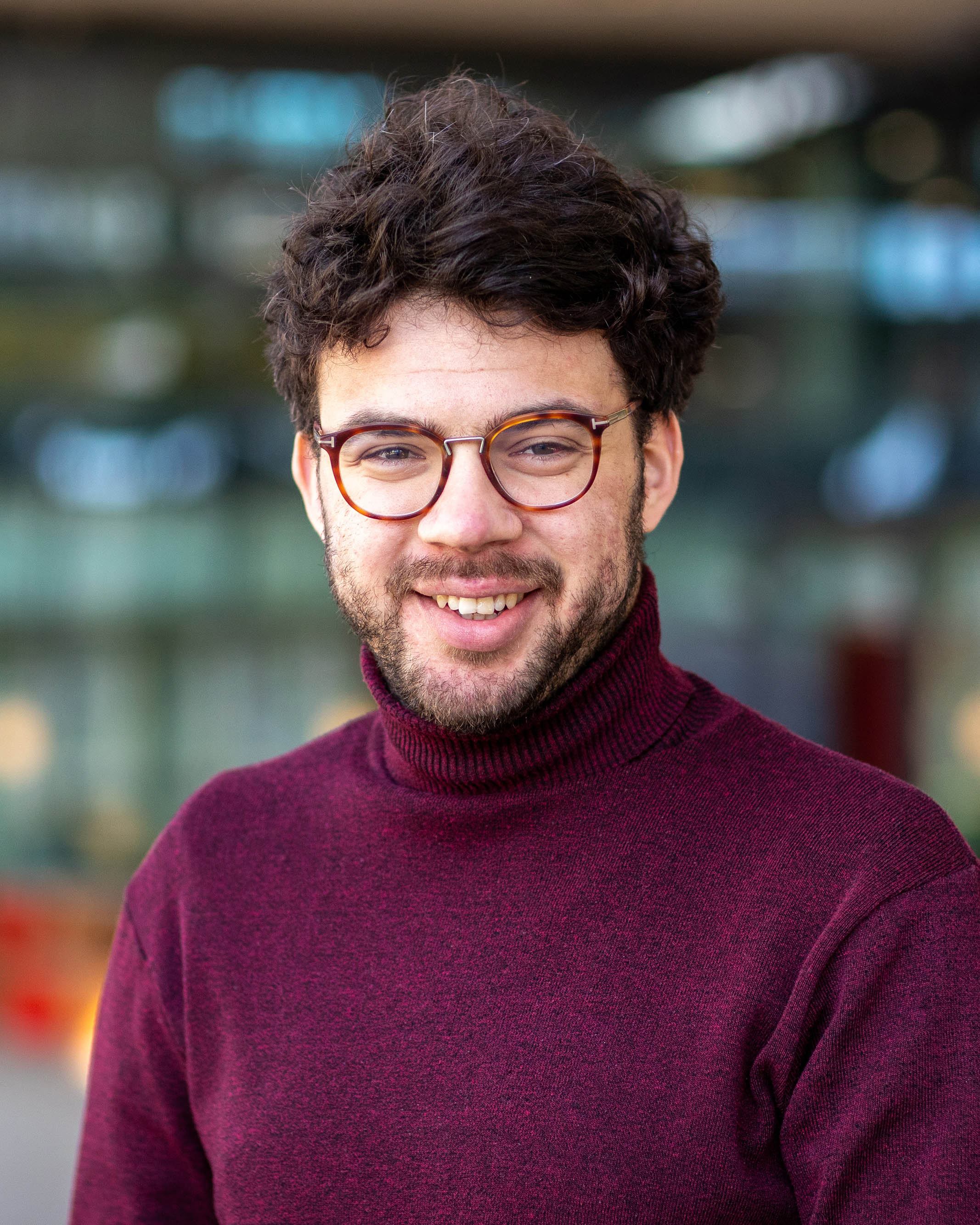
Matteo Michelini has been a cotutelle PhD student of TU Eindhoven and Ruhr University Bochum at the RRS. He works with agent-based models in the areas of social epistemology and philosophy of science. Matteo has been jointly supervised by Dunja Šešelja and Wybo Houkes.
Minkyung Wang

Minkyung Wang has been a postdoctoral researcher in Logic in Philosophy and Artificial Intelligence. Her current research focuses at the RRS has been on integrating logical and probabilistic reasoning, which is addressed in formal epistemology, social epistemology, and formal argumentation. As a mathematical philosopher, she is keen on using formal methods to solve philosophical problems, particularly those related to epistemology, decision theory, and ethics. Her webpage is here. She is now co-PI of Research Project: Qualitative Grading in Science.