 |
|
|
|
 |
 |
 |
|
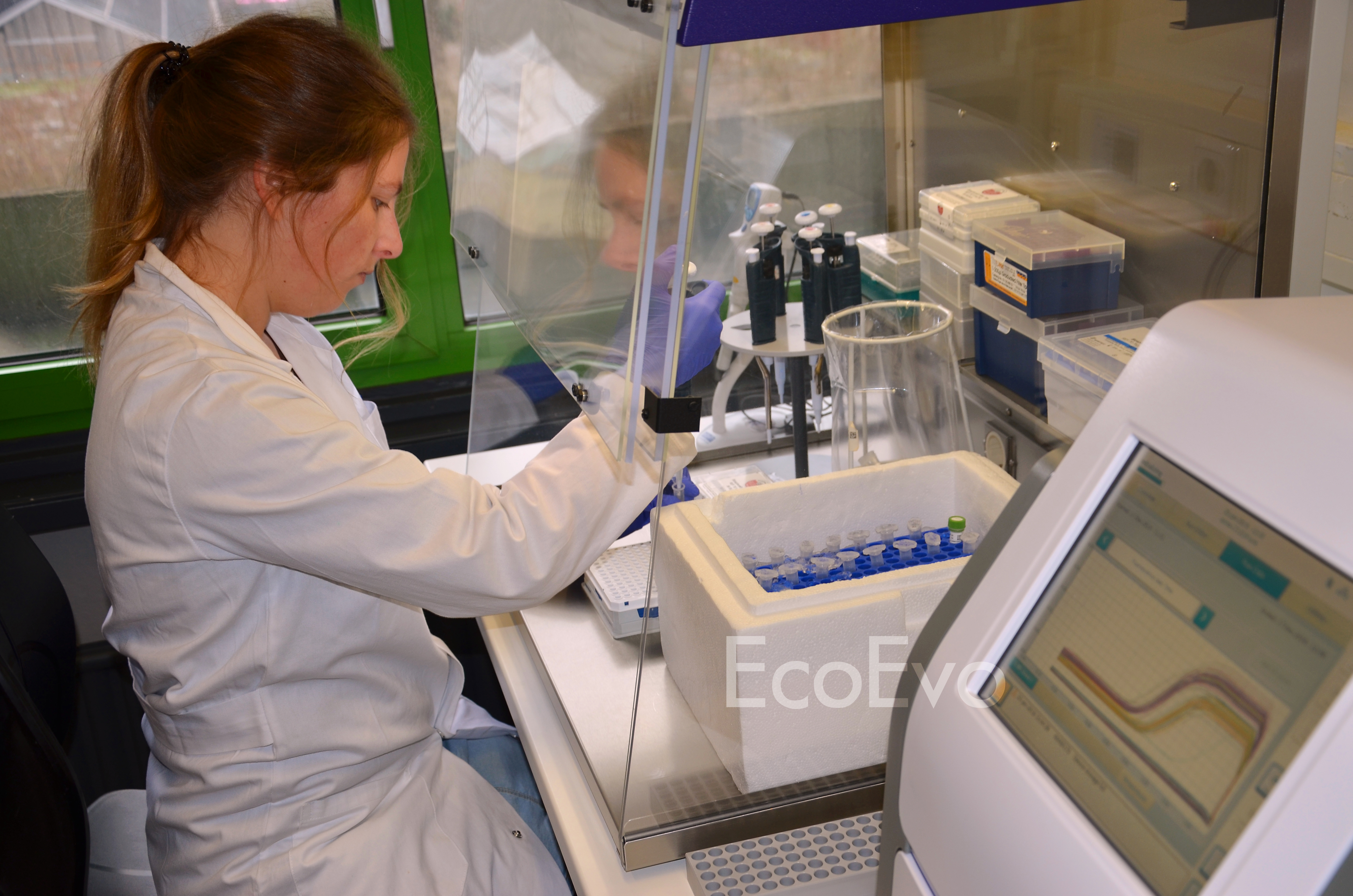
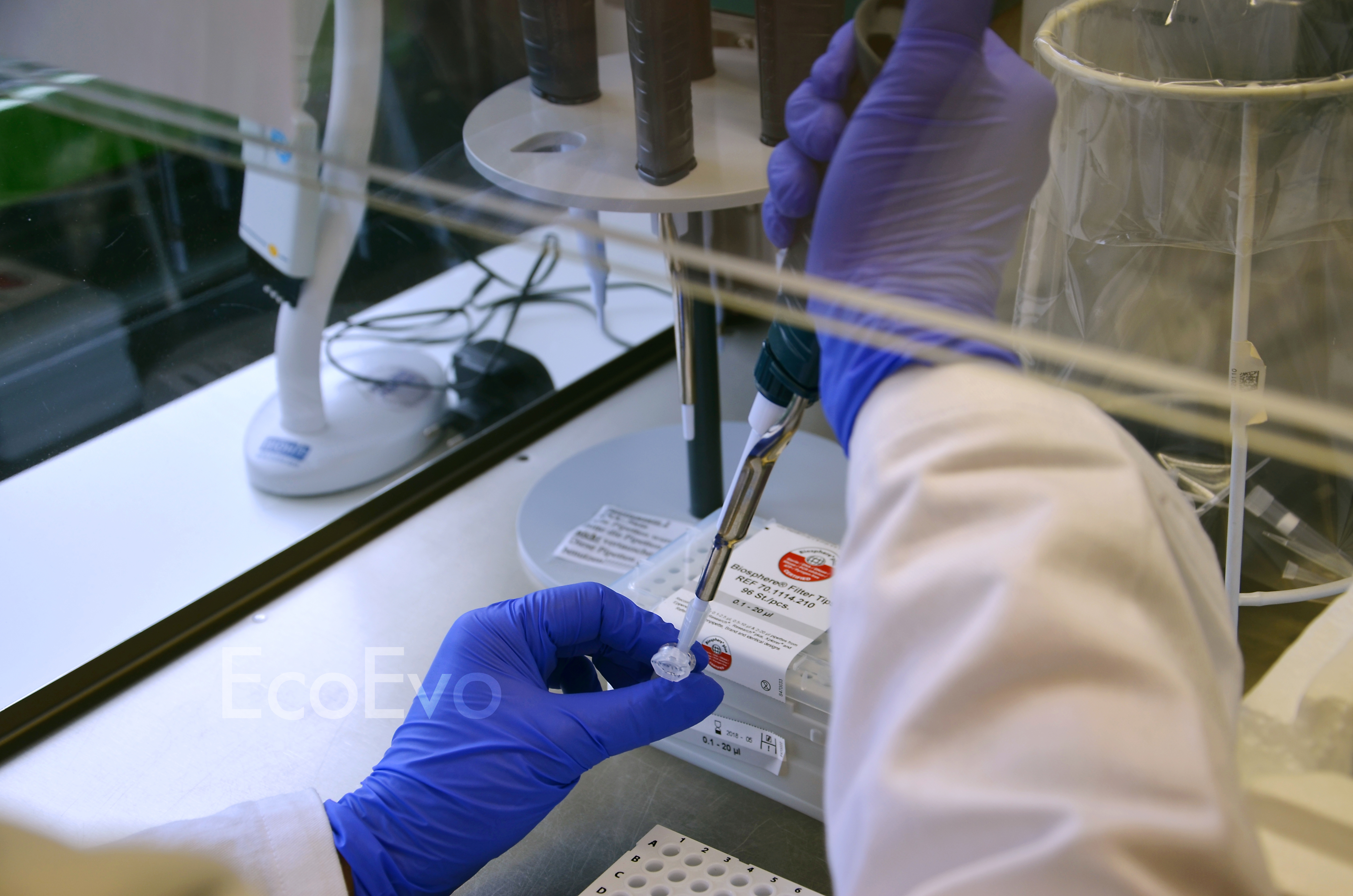
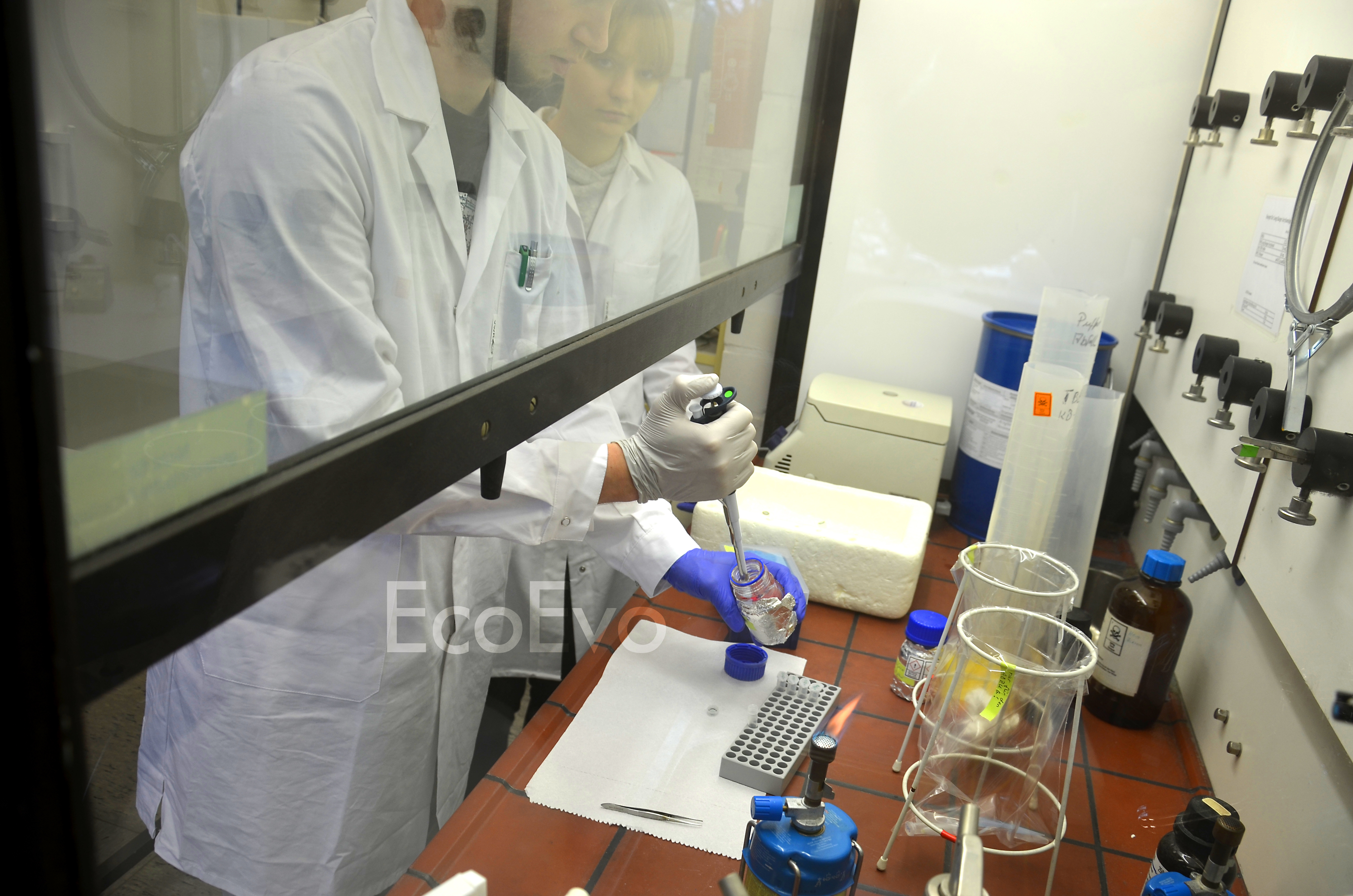
Molecular laboratoryThe large molecular laboratory at the Department of Animal Ecology, Evolution and Biodiversity is well equipped and allows our researchers to address a great variety of biological questions in the fields of ecology, evolution and biodiversity. Current projects range from the mechanistic underpinnings to the evolution of phenotypic plasticity, from environmental DNA to population genetics, and the chemical ecology of hymenopterans. For some of these research questions, we use different quantitative PCR applications and determine differential gene expression. We also perform absolute quantifications e.g. addressing presence and absence of DNA in environmental samples. For research questions concerning the architecture of natural populations e.g. corals in reef ecosystems, we use analytical strategies based on microsatellite markers. For the different research questions, we are also able to prepare RNA and DNA samples for whole genome or transcriptome next generation sequencing applications. RNA and DNA works are performed in dedicated laboratory environments to prevent contamination. Amplification of selected targets and genes is performed independently from RNA and DNA extractions and libraries preparation for next generation sequencing strategies. Our cell culture is equipped with a laminar flow hood, and a cell incubation cabinet within the S1 environment allowing heterologous expression of specific constructs. Cloning of constructs is performed independent from any RNA work. |
|||
 |
 |
 |
|
Our major technical equipmentLicor 4300 DNA analyzer TThe core facility of our laboratory is a LI-COR 4300 DNA analyzer for microsatellite and AFLP analyses and DNA sequencing. Denaturing gel gradient electrophoresis - DGGE We operate a BioRad DGGE system capable of mutation detection as well as microbial community analyses. PCR machines We have eight PCR machines for regular, gradient and multiplex PCR. Quantitative PCR We have a Roche light cycler 96. Centrifugation We have a Roche light cycler 96. Hood The S1- cloning laboratory is equipped with a sterile hood used for cloning and cell culture. RNA workbench We have a special workbench assigned solely to the work with RNA. Freezers To store the great number of samples from many places around the world, we have a core unit of three large -20°C and one -80°C freezers for samples only. Benches Individually assigned workplaces guarantee optimal working conditions in the molecular laboratory for each student and researcher. Gefahrstoffdatenbank der Ruhr-Universität Bochum (DaMaRIS) Datenbank öffnen ... Responsibility: PD Dr. Thomas Eltz Dr. Linda Weiss | |||


Department of Animal Ecology, Evolution and Biodiversity
LABORATORY
RUB » Faculty of Biology and Biotechnology » Department of Animal Ecology, Evolution and Biodiversity - Laboratory