

From molecules to ecosystems |
 |
 |
 |
Currently our major fields of research are in the areas of Ecology, Evolution, Biodiversity, Aquatic Ecology, Functional Morphology, Chemical Ecology and Behavioral Ecology. |  | |
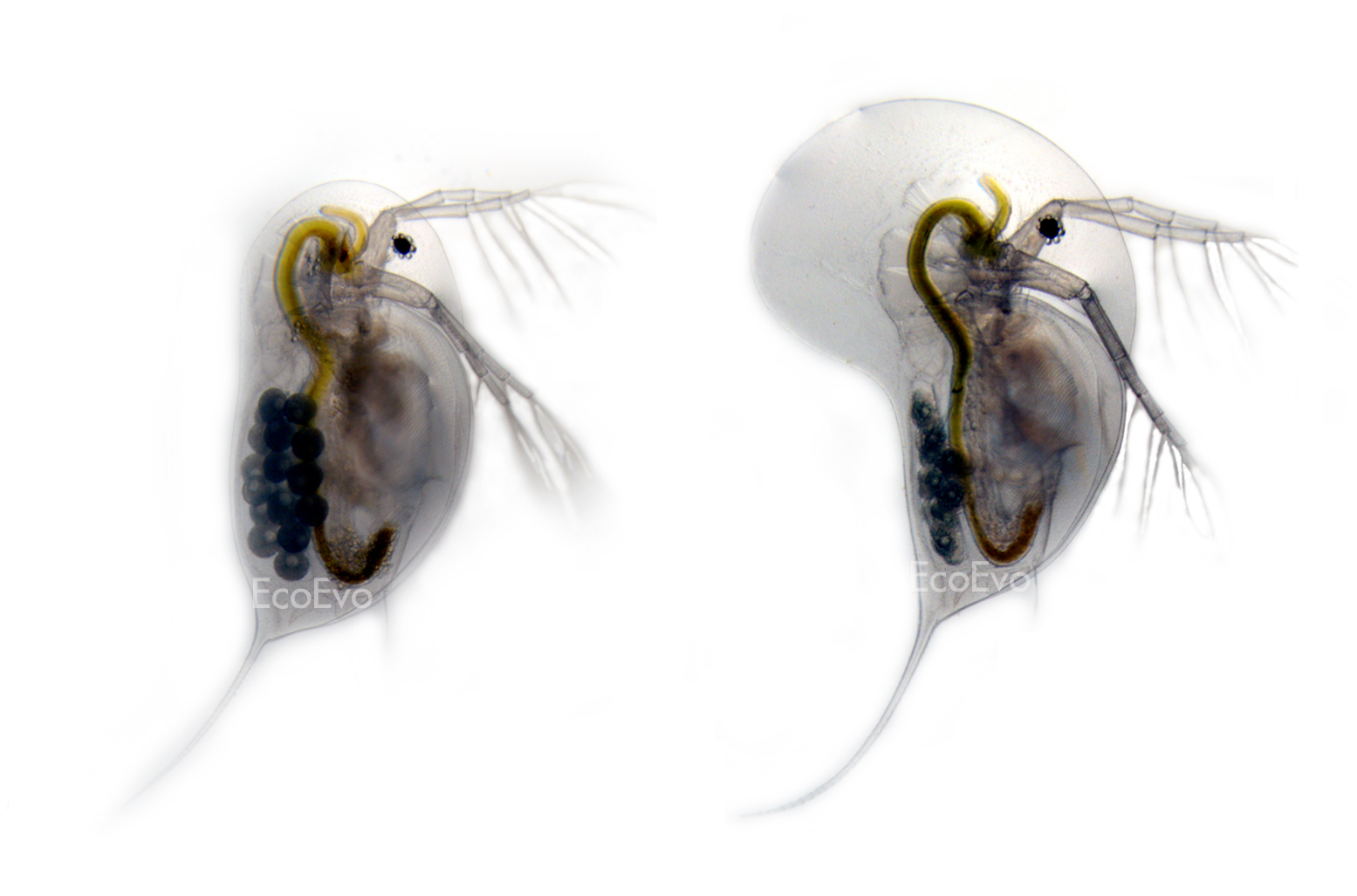
| A major topic is the study of phenotypic plasticity in predatorprey model systems. This area is central to the research on how traits are formed by the interaction of genome and environment. Our research on phenotypic plasticity integrates many different subjects, e.g. behavioral studies, biochemical analyses, life-history studies and functional morphological comparisons. |
 | Inducible
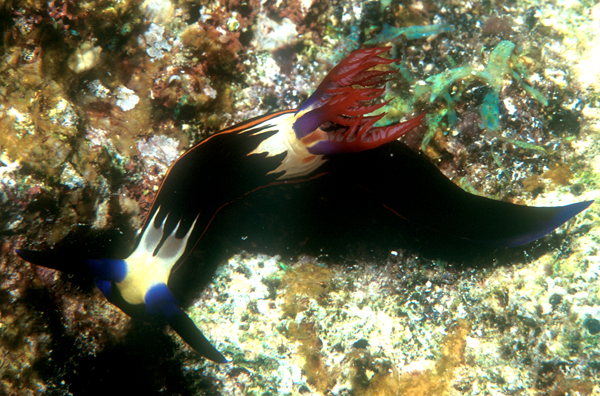
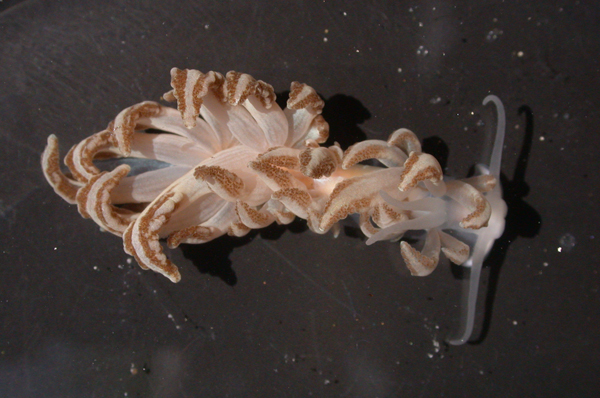
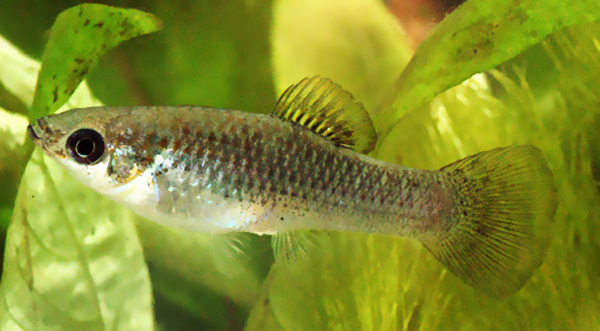
defenses provide spectacular examples of phenotypic plasticity. Questions we study are manifold, e.g.: What kind of information transfer is evolving under which conditions, how do information transfer networks change food web interactions, which mechanisms allow for phenotypic plasticity, which types of defenses evolve under which conditions, what are the constraints of each type of defenses, what are the consequences of these defenses for predator, prey and competitors. Current projects study the evolution of defenses in variable multipredator environments in Daphnia; population biology consequences of inducible defenses in rotifers and ciliates; the evolution of alarm signals; local adaptation of behavioral, life-history and morphological defenses against co-occurring predators; inter-sions in different predator-prey systems; the potential effect of “key inventions” for species invasions; co-evolutionary adaptations of predators to prey defenses; and functional responses. We analyze the relevance of behavioral defenses in relation to other types of defenses, and study intro- and inter-population differences in defenses of Amphibia against different types of predators. We analyze hydrodynamics of body shapes and apply new methods to trace ‘hidden’ defenses. We now follow the genetic mechanisms and pathways of phenotypicplasticity with cellular and genetic methods. This is only a brief overview emphasizing our approach to study the phenomenon from molecules to populations and from unicellular organisms to vertebrates. | 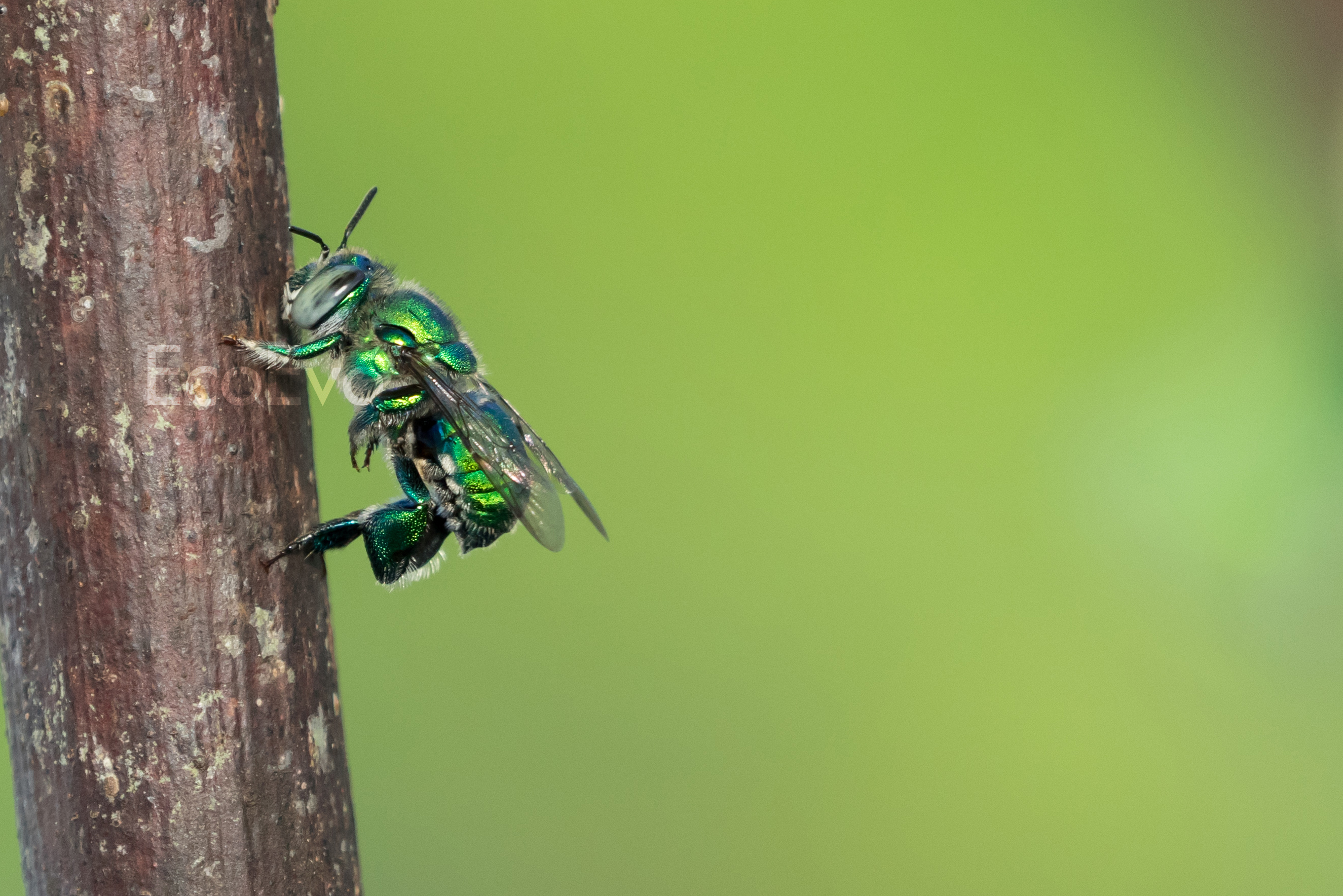 | |
 |
|||
 | |||
 |
 |
 |
 | Other topics | 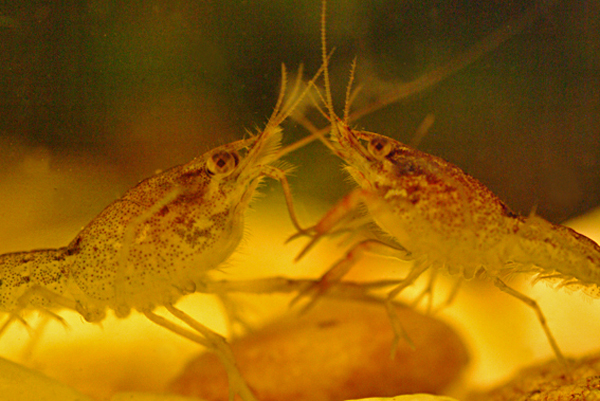 |
|
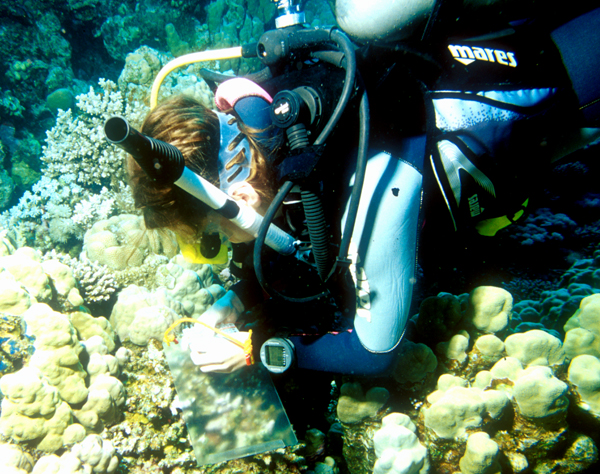
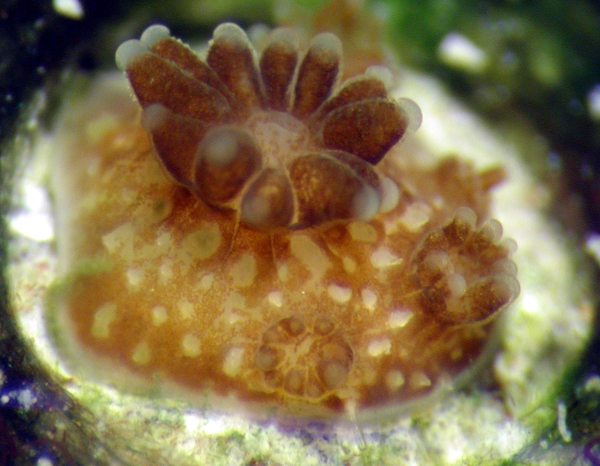
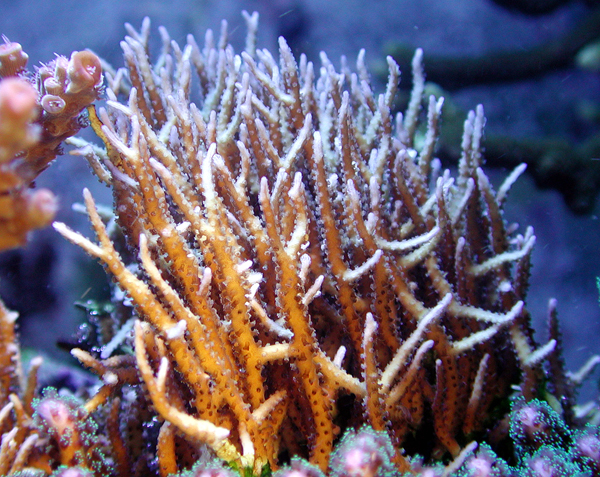
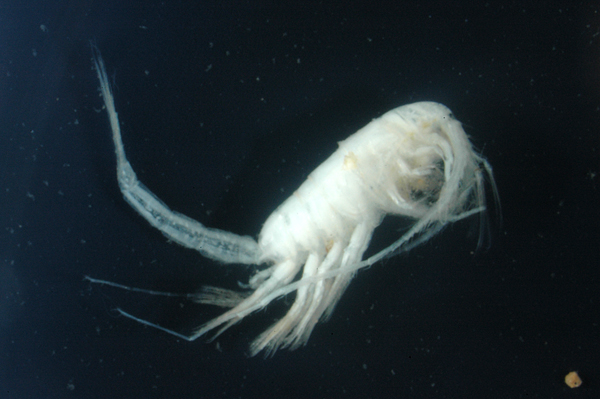
Other topics include research on the relevance of UV-irradiation for aquatic organisms and their counter adaptations and the ecology of coral reefs. We developed methods to enhance recruitment of corals ex situ in the laboratory and to restore damaged reefs. We study interference competition in corals, which is from the ecological and evolutionary perspective closely related to our studies of inducible defenses. We use microsatellites for population genetic studies of scleractinian corals. We conduct these studies in the Great Barrier Reef in Australia, in the Red Sea, and in our experimental coral reef aquaria system. Because we study ecological and evolutionary principles we are working with different model systems, which in turn allows to answer comparative questions. Our research area ranges from marine to freshwater systems covering a species range from protists to vertebrates. PD Dr. Thomas Eltz is interested in the chemical and sensory ecology of bees (Hymenoptera, Apidae), in particular how odors influence foraging and mating behavior. He uses behavioral experiments, chemical analysis (gas chromatography/mass spectrometry), and electrophysiological methods (electroantennography) to shed light on the evolution of bee semiochemicals and olfaction. Further interests include population biology and conservation genetics of bees. Focal groups are bumblebees (Bombus spp.) and neotropical orchid bees (Euglossini). Prof. Dr. Linda Weiss is interested in the ability of the model freshwater crustacean Daphnia that can respond to changing environmental conditions with phenotypic plasticity. Her research overarches the identification of signaling cues, to the different perceptive strategies that are fundamental for organismal adaptation to changing environmental conditions. |