


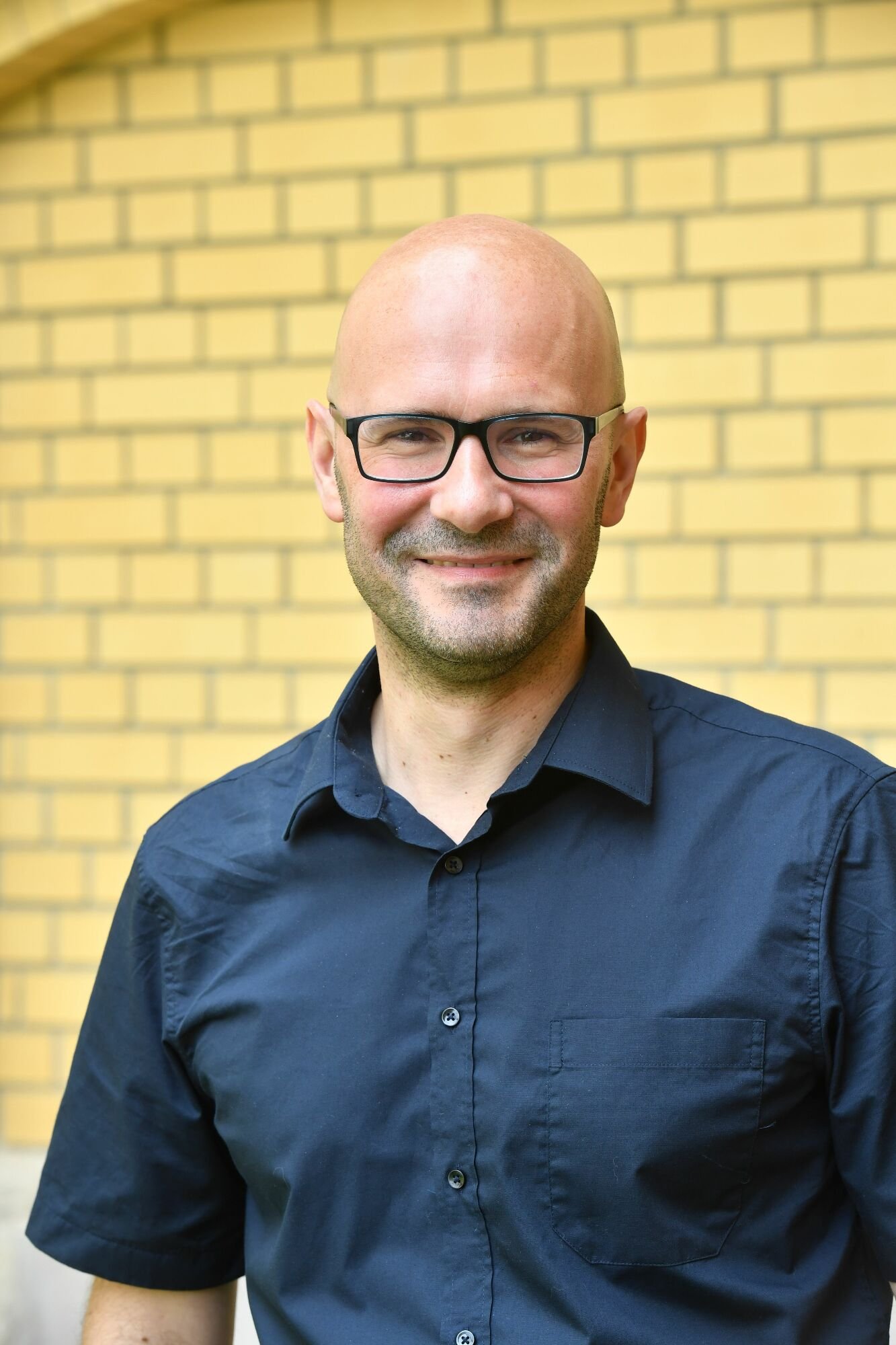

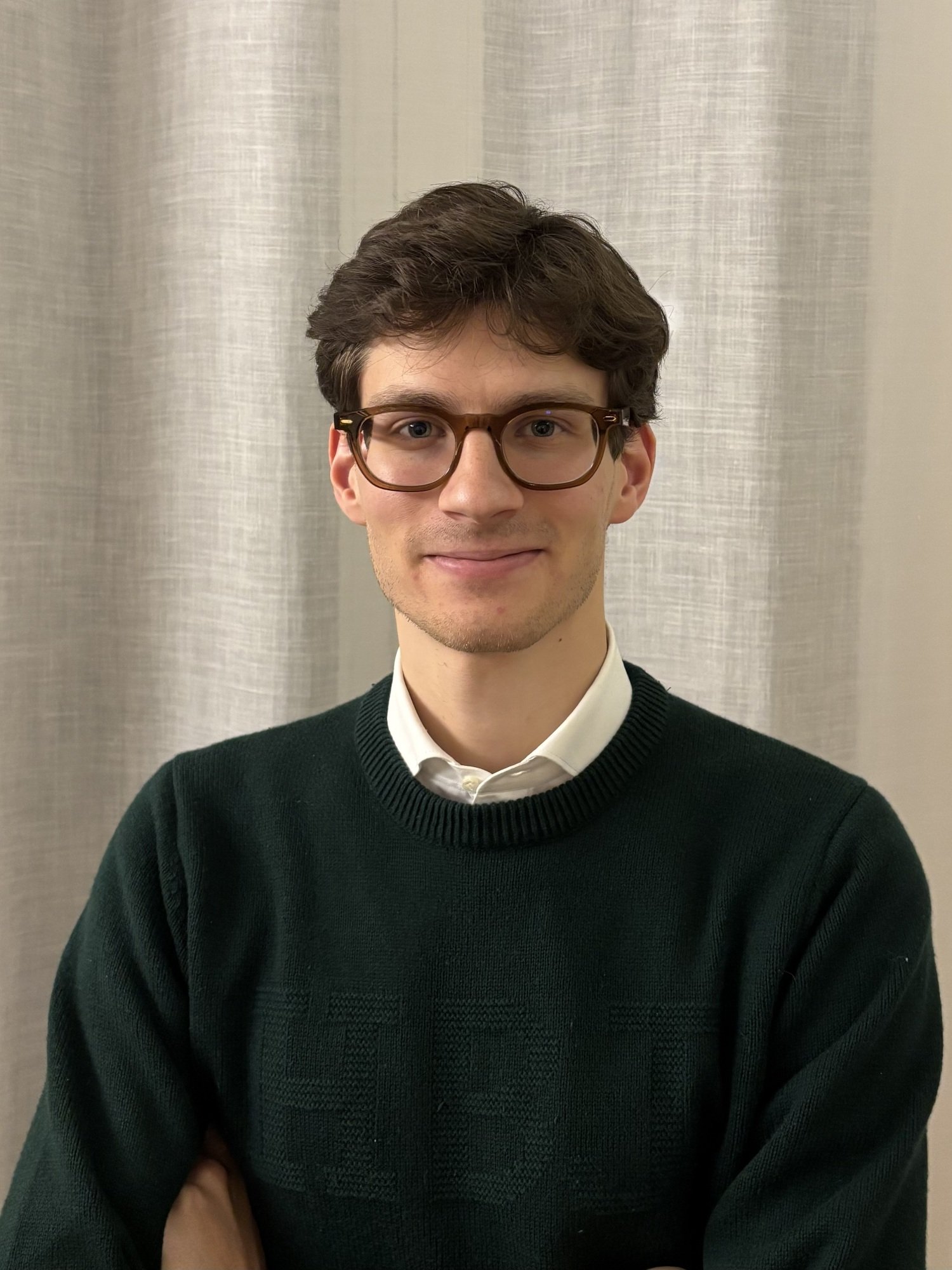
Das Projekt involviert zwei große Teilbereiche, die sich wie folgt auf die beteiligten Standorte verteilen:
In vielen germanischen Sprachen hat der Funktionsumfang von w-Elementen insbesondere als Nebensatzeinleiter diachron zugenommen. Während w-Pronomen in den frühesten Sprachstufen primär als Interrogativa und Indefinita auftreten, breiten sie sich in der Folge auf freie Relativsätze und später attributive Relativsätze aus. Darüber hinaus treten w-Formen seit der frühen Neuzeit auch als Einleiter von Adverbialsätzen in Erscheinung. Diese Prozesse sind nicht isoliert voneinander zu betrachten, da adverbiale w-Konnektoren aus ursprünglich relativisch verwendeten w-Adverbien (wie, wo, wenn) bzw. w-Präpositionaladverbien wie "wobei" hervorgegangen sind. Das Resultat ist ein System, in dem w-Elemente hochgradig polyfunktional sind. Die Details der Prozesse, die zur Ausbildung neuer relativischer und adverbialer Konstruktionstypen führen, sind für die Geschichte des Deutschen bislang nur unzureichend erforscht. Bisherige Arbeiten befassen sich lediglich mit Teilaspekten wie der Entwicklung relativischer w-Simplizia (wer/was) und w-Determinative (welch-). Ziel des Projekts ist eine systematische Aufarbeitung der historischen Entwicklungen, die qualitative und quantitative Aspekte berücksichtigt und Aussagen zu möglichen Ursachen der Ausbreitung von w-Formen zulässt. Darüber hinaus wird ein theoretisches Modell entwickelt, das die einzelnen Prozesse in einen größeren Erklärungszusammenhang bringt, der neuere Erkenntnisse generativer Ansätze zu Struktur und Eigenschaften von w-Elementen berücksichtigt und die historischen Sachverhalte in eine restriktive Theorie polyfunktionaler Elemente einbettet.
In many Germanic languages, the functions of wh-words have increased diachronically, especially as elements introducing subordinate clauses. While wh-pronouns primarily appear as interrogatives and indefinites in the earliest historical stages, they subsequently spread first to free relative clauses and later to headed relative clauses. In addition, they begin to appear as adverbial complementizers from the early modern German period onwards. These processes should not be viewed in isolation from one another, as adverbial wh-connectors developed from relative wh-adverbs (wie ‘how’, wo ‘where’, wenn ‘when’) or prepositional adverbs such as wobei ‘whereby’. The result is a system in which wh-elements are highly polyfunctional. The details of the processes that lead to the formation of new relative and adverbial construction types have so far been insufficiently researched for the history of German. Previous studies have primarily focused on specific aspects, such as the the development of morphologically simple wh-relativizers (wer ‘who’, was ‘what’) and wh-determiners (welch- ‘which’). The aim of the project is to systematically review the relevant historical developments, taking into account qualitative and quantitative aspects to gain a better understanding of the diachronic pathway and possible causes of the spread of wh-forms in relative and adverbial clauses. In addition, a theoretical model is developed that places the individual processes in a larger explanatory context. This context incorporates recent findings on the internal structure and properties of wh-forms, while also embedding historical facts within a restrictive theory of polyfunctional elements.
Fuß, Eric. 2021. Wh-relatives in the history of German (and what gender’s got to do with it). Journal of Historical Syntax 5.5, 1-36.
Fuß, Eric. 2025. Zur Genese polyfunktionaler grammatischer Formen. Die Entwicklung des Default-Relativums was im Deutschen. In: Angelika Wöllstein (ed.), Jahrbuch des Instituts für Deutsche Sprache 2025.
Fuß, Eric. Pronoun choice in German relative clauses. Gastvortrag, Universität Göttingen, 14.08.2025.
Fuß, Eric. Whoever’s dogs are running around in the garden is in big trouble.* On the diachrony and theoretical analysis of 'asymmetric' free relatives in German. Sentence Grammar and Discourse Grammar VII, Universität Göttingen. 24.05.2025.
Workshop - call for papers: “Wh-elements in Relative and Adverbial clauses: Perspectives on Polyfunctionality” (WRAPP26), Göttingen, April 8-10, 2026